
Steel Road & Crossing Plate Supplier

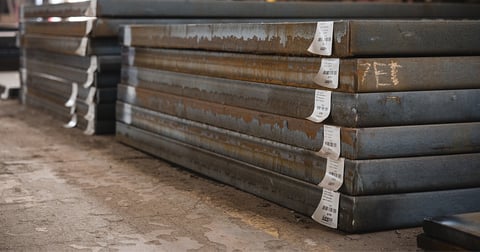
Leeco® Steel is proud to supply steel plates to companies in the road plate rental industry to process, rent or sell to contractors and fabricators. To ensure our customers receive quality plate material that goes to construction sites across North America, we source from leading domestic and international mills and provide complete mill test reports.

Processed Plate Parts

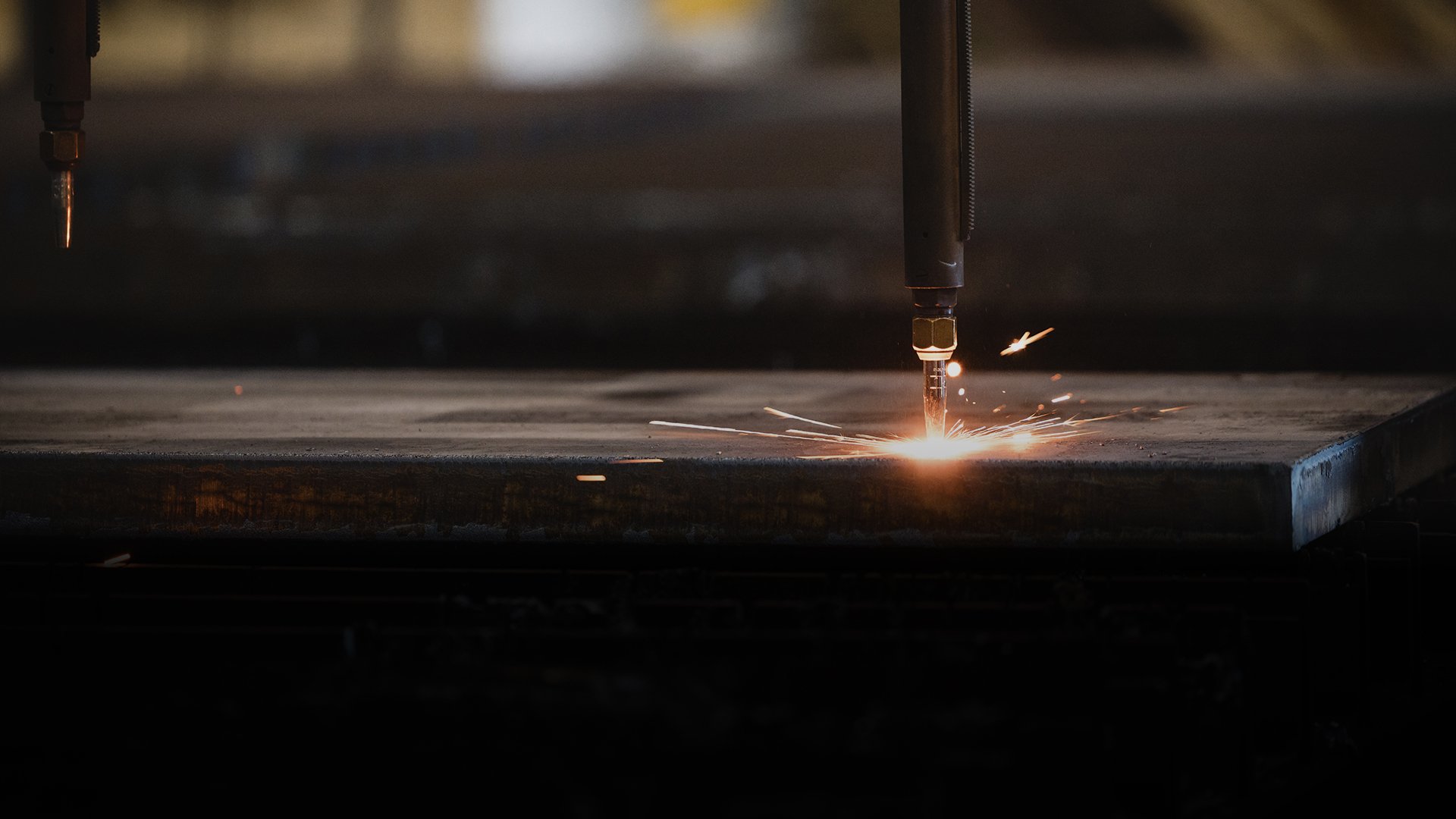
Leeco’s processing services include cutting, drilling, stamping and welding top and bottom inserts.

Prime A36 Plate

Extensive inventories of certified (prime) ASTM A36 plate with documentation for traceability.

Multiple Stocking Locations

Inventory at multiple stocking locations means material is available when you need it.
Grades

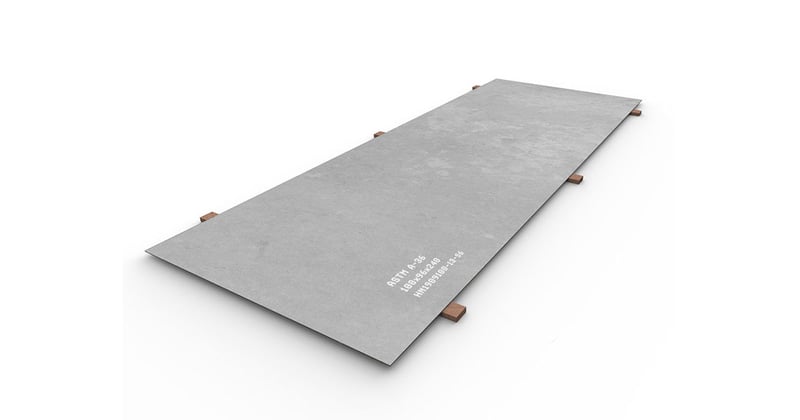
Since it is used on a temporary basis during construction projects, road plate needs to offer strength and durability while remaining cost-effective. The most commonly-requested grades – typically specified by municipalities – include:
Grade Thickness Width Length
A36 3/16"-18" 48"-120" Up to 480"
A572-50 3/16"-4" 48"-120" Up to 480"

Processed Road Plate

Leeco’s experienced team also makes it easy to process plates further. Our road plate processing services include:

  • Top and bottom side welding for lifting inserts, including Actek and Lock-N-Lift lifting inserts
  • Burning holes, slots and company logos
  • Welding and/or burning letters and numbers, sizes, weights and other information to help with traceability

In addition to road plate, Leeco also offers adjacent trench shoring products, such as plate for trenches and ladders.

The Leeco Advantage

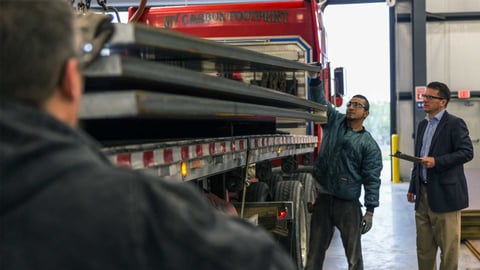
As a steel road plate supplier, Leeco specializes in supplying full truckload quantities of steel road and crossing plate, which results in freight savings that we pass to our customers. Our team offers direct-ship to job sites and “cut and hold” or stocking programs to help manage your inventory. We deeply understand the road plate market and use that knowledge and expertise to help you make the best sourcing decisions for your business. Contact us to learn more. 

Frequently Asked Questions

Learn more about steel used for road plate applications.
Road plate size is most commonly follows jurisdiction requirements and depends on the width and length of the excavation, expected traffic loads and other variables. Common road plate sizes range from 4' x 8' to 8' x 20', with larger plates used to span wider trenches and reduce movement under traffic. For rental companies and contractors, selecting a plate that extends beyond the excavation on all sides helps improve stability and safety. Factors such as vehicle weight, traffic volume and pavement conditions should also be considered when determining the appropriate plate dimensions and thickness.
Most steel road plates used in construction and utility projects are between 1-2 inches thick. The required thickness is almost always defined by tabulated data (also referred to as "Tab Data") and the state's department of transportation (DOT), and depends on the span of the excavation, anticipated wheel loads and roadway conditions. Thicker plates typically provide greater load-bearing capacity and reduced deflection under traffic. Municipal projects, utility installations and high-traffic roadways often require engineering review to determine the appropriate plate thickness. Working with an experienced road plate supplier can help ensure the selected plate meets load requirements while maintaining public and worker safety.
Yes. Steel road plates can be customized with features that improve safety, handling and fleet management. Common modifications include lifting holes, beveled edges, identification markings and custom dimensions. Many rental companies choose customized road plates to simplify field deployment, improve inventory tracking and comply with customer or municipal specifications. Custom fabrication can also help contractors reduce installation time and improve jobsite efficiency. Road plates manufactured to specific project requirements can provide a better fit and longer service life than standard stock plates.
No, secondary, .33 max or "sub-prime" steel plate is generally not recommended for road plate applications. This material does not fully meet mill specifications or regulatory standards. This can occur for reasons such as failing to meet flatness tolerances, having surface imperfections or lacking required documentation such as a mill test report. Road plates are used in applications where public and worker safety are critical. These projects often require prime ASTM-grade steel plate that meets established material specifications and quality standards. The primary concern with secondary plate is uncertainty. Because the material does not meet standard requirements, it can be difficult to verify its mechanical properties and performance. In road plate applications, where plates may be subjected to repeated vehicle traffic, heavy loads and changing weather conditions, that uncertainty can create unnecessary safety risks. For these reasons, Leeco Steel does not recommend using secondary plate for road plate applications. In fact, all raod plate Leeco Steel provides is ASTM A36 or ASTM A572-50 grades with a mill test report. When safety, compliance and performance are priorities, contractors and rental companies should use prime steel plate that meets regulatory and project requirements.
A oxy fuel torch head on a oxy table cutting into a steel plate.

Contact Leeco Steel

We want to be your supplier of choice for steel plate, parts and profiles.