
A514 Steel Plate

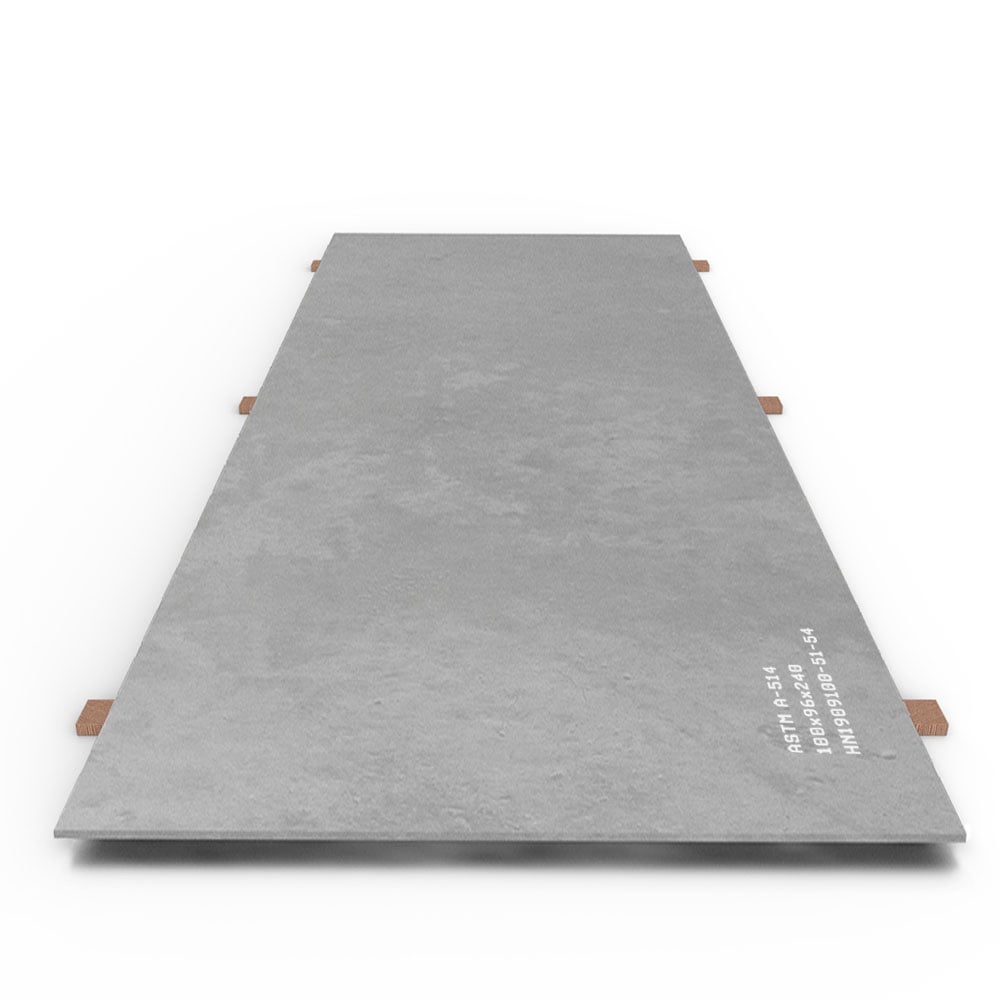
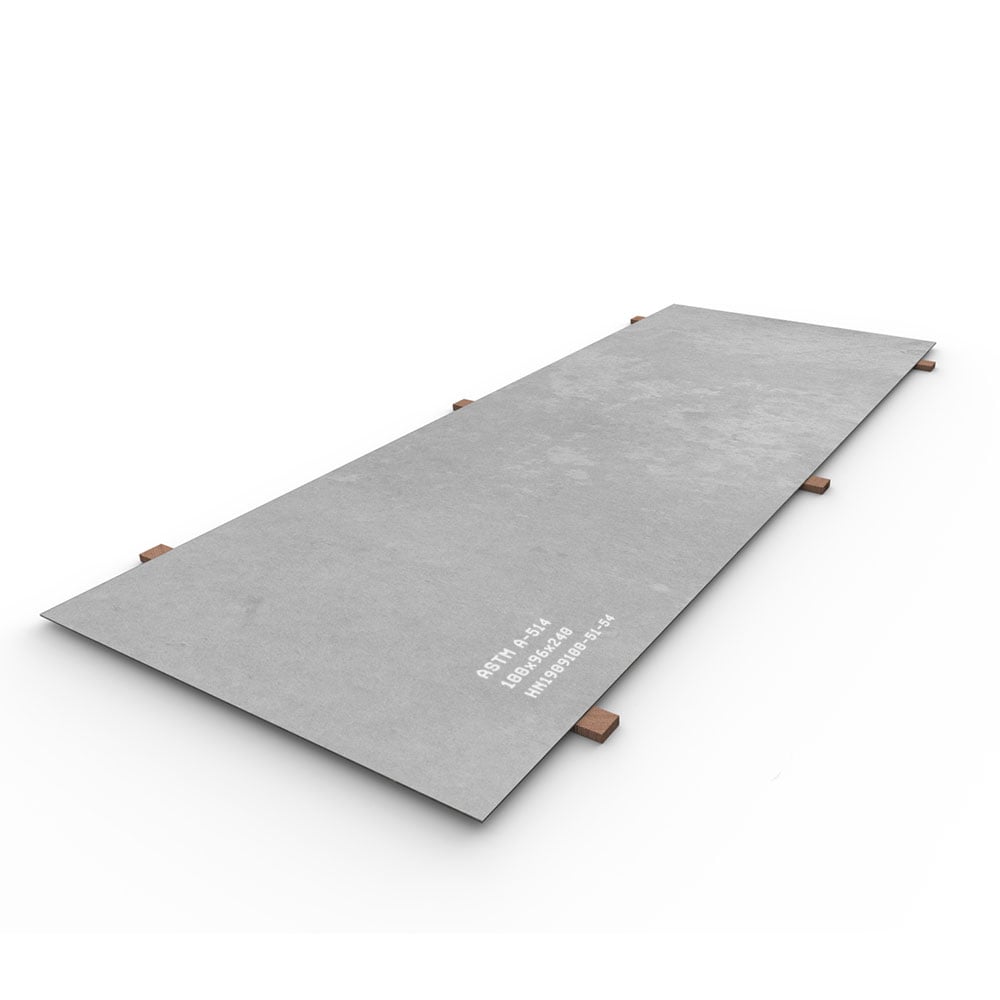
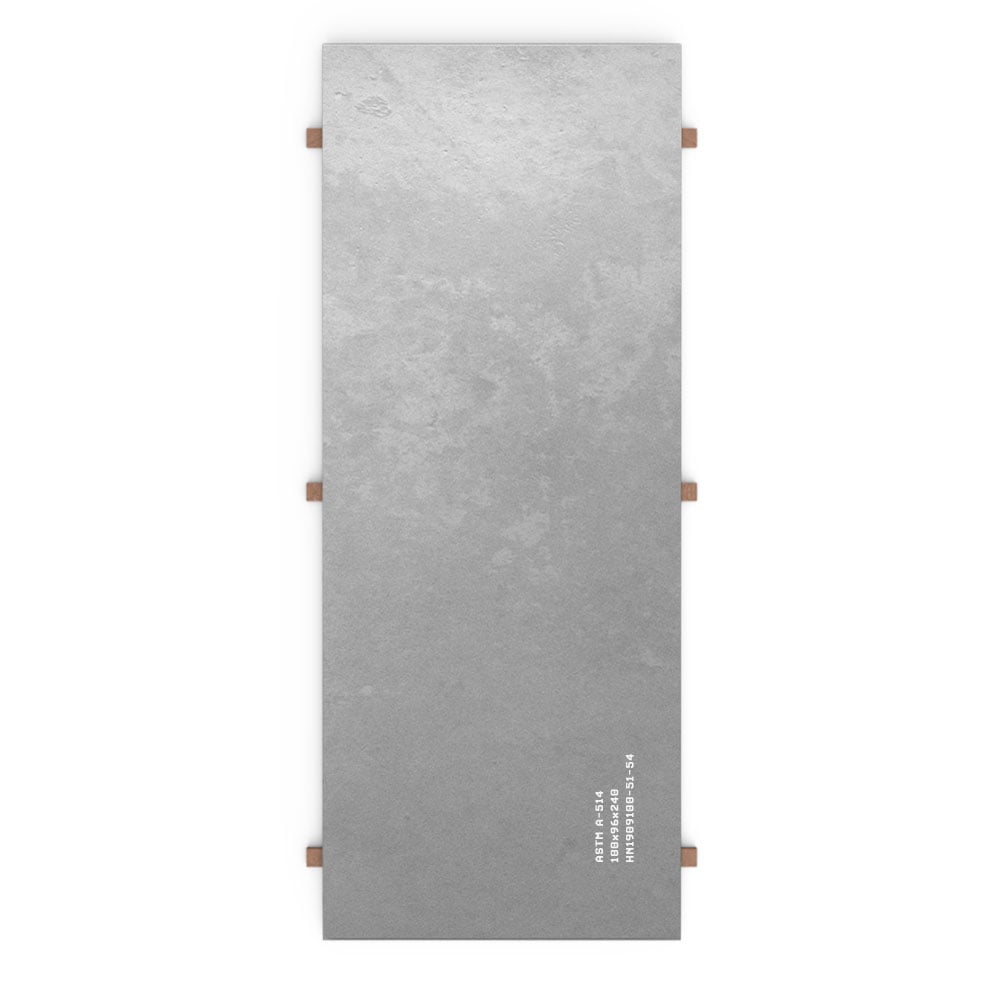
ASTM A514, also known as T-1 steel plate, is a quenched and tempered alloy steel used for cranes, heavy-load machinery and other high-strength structural applications. Leeco® Steel stocks ample inventory of A514 in standard and heavy plate thicknesses.
BUILD A QUOTE

Features

  • Available in Grades: B, S, H, Q, E, F, A and P.

  • Available in heavy plate thicknesses (3-inches or greater).

  • Suitable for lower-temperature applications, with Charpy impact test results available for specific climates.

  • Select grades are available to purchase online via Leeco® Pro. Click here to log on or contact us to learn more.
Build Your Quote

Use our quote builder to configure your steel plates by selecting the material, size, thickness, quantity, and any custom requirements for fast, accurate pricing.

Product Details

Grade Thickness Width Length
A514-A Inquire Inquire Inquire
A514-B 3/16" – 1 1/4" 48" – 120" Up to 480"
A514-E 3/16" – 6" 48" – 120" Up to 480"
A514-F 3/16" – 2 1/2" 48" – 120" Up to 480"
A514-H 3/16" – 2" 48" – 120" Up to 480"
A514-P Inquire Inquire Inquire
A514-Q 3/16" – 6" 48" – 120" Up to 480"
A514-S 3/16" – 2 1/2" 48" – 120" Up to 480"

Grade Q modified is available in thicknesses up to 8″.

Thickness Range Yield Point (ksi) Tensile Strength (ksi) Min. 2” Elongation %
≤3/4" 100 110-130 18
>3/4" to ≤2.5" 100 110-130 18
>2.5" to ≤6" 90 100-130 16
Carbon 0.12-0.21%
Manganese 0.70-1.00%
Phosphorus max 0.030%
Sulfur max 0.030%
Silicon 0.20-0.35%
Vanadium 0.03-0.08%
Chromium 0.40-0.65%
Boron 0.0005-0.005%
Molybdenum 0.15-0.25%
Titanium 0.01-0.10%
Carbon 0.11-0.21%
Manganese 1.10-1.50%
Phosphorus max 0.030%
Sulfur max 0.020%
Silicon 0.15-0.45%
Columbium max 0.06%
Vanadium max 0.06%
Boron 0.001-0.005%
Molybdenum 0.10-0.60%
Carbon 0.12-0.21%
Manganese 0.95-1.30%
Phosphorus max 0.030%
Sulfur max 0.030%
Silicon 0.20-0.35%
Vanadium 0.03-0.08%
Chromium 0.40-0.65%
Nickel 0.30-0.70%
Boron 0.0005-0.005%
Molybdenum 0.20-0.30%
Carbon 0.14-0.21%
Manganese 0.95-1.30%
Phosphorus max 0.030%
Sulfur max 0.030%
Silicon 0.15-0.35%
Vanadium 0.03-0.08%
Chromium 1.00-1.50%
Nickel 1.20-1.50%
Molybdenum 0.40-0.60%
Carbon 0.12-0.20%
Manganese 0.40-0.70%
Phosphorus max 0.030%
Sulfur max 0.030%
Silicon 0.20-0.40%
Chromium 1.40-2.00%
Boron 0.001-0.005%
Molybdenum 0.40-0.60%
Titanium 0.01-0.10%
Carbon 0.10-0.20%
Manganese 0.60-1.00%
Phosphorus max 0.030%
Sulfur max 0.030%
Silicon 0.15-0.35%
Copper 0.15-0.50%
Vanadium 0.03-0.08%
Chromium 0.40-0.65%
Nickel 0.70-1.00%
Boron 0.0005-0.006%
Molybdenum 0.40-0.60%
Carbon 0.15-0.21%
Manganese 0.80-1.10%
Phosphorus max 0.030%
Sulfur max 0.030%
Silicon 0.40-0.80%
Chromium 0.50-0.80%
Boron max 0.0025%
Molybdenum 0.18-0.28%
Zirconium 0.05-0.15%
Carbon 0.12-0.21%
Manganese 0.45-0.70%
Phosphorus max 0.030%
Sulfur max 0.030%
Silicon 0.20-0.35%
Chromium 0.85-1.20%
Nickel 1.20-1.50%
Boron 0.001-0.005% 
Molybdenum 0.45-0.60%

Grade Comparison

Frequently Asked Questions

Learn more about A514 steel plate.
ASTM A514 steel plate is a quenched and tempered alloy steel plate used in high-strength structural applications such as cranes, heavy-load machinery and construction equipment. Also known as T-1 steel plate, A514 is valued for its weldable and machinable properties, durability and ability to withstand high-impact and high-stress applications. Its mechanical properties depend on thickness, while chemical properties may vary by grade.
A514 and T-1 steel plate are commonly used to describe high-strength, quenched and tempered alloy steel plate. T-1 is the familiar industry name, while ASTM A514 is the material specification. The terms are often associated with steel plate used in demanding structural and heavy-equipment applications that require high yield strength and Q&T performance.
A514 steel plate is used in applications that need high-strength plate that can handle heavy loads, impact and demanding service conditions. Common uses include cranes, crane booms, transport trailers, construction equipment, heavy vehicle frames, chassis, mobile man-lifts, agricultural equipment and other large heavy-load machinery.
A514 steel plate is heat-treated through quenching and tempering to achieve higher strength, hardness and toughness compared to non-heat-treated carbon steel plate. This two-step process changes the steel’s grain structure, helping A514 withstand high levels of wear, impact and heavy-load stress in cranes, construction equipment and large machinery.
A514 steel plate is suitable for welding, but the welding procedure needs to match the grade, thickness and intended service conditions. Because A514 is a quenched and tempered alloy steel, welding should be planned carefully to help preserve the plate’s performance in high-strength structural applications.
ASTM A514 may have comparable grades under other standards, including high-strength EN grades such as S690 or S700, depending on the project requirements. However, comparable does not always mean interchangeable. Other Q&T steel plate grades may have similar strength, toughness and wear-resistance properties and may be suitable for high-wear or high-stress applications, but the required specification, mechanical properties, toughness requirements, chemistry and MTR details should be confirmed before substituting another grade for A514.
Charpy impact testing is not required for every A514 steel plate order, but test results may be requested when a project requires verified toughness for lower temperatures, specific climates or other service conditions. If Charpy testing is needed, it should be specified when the plate is ordered.