
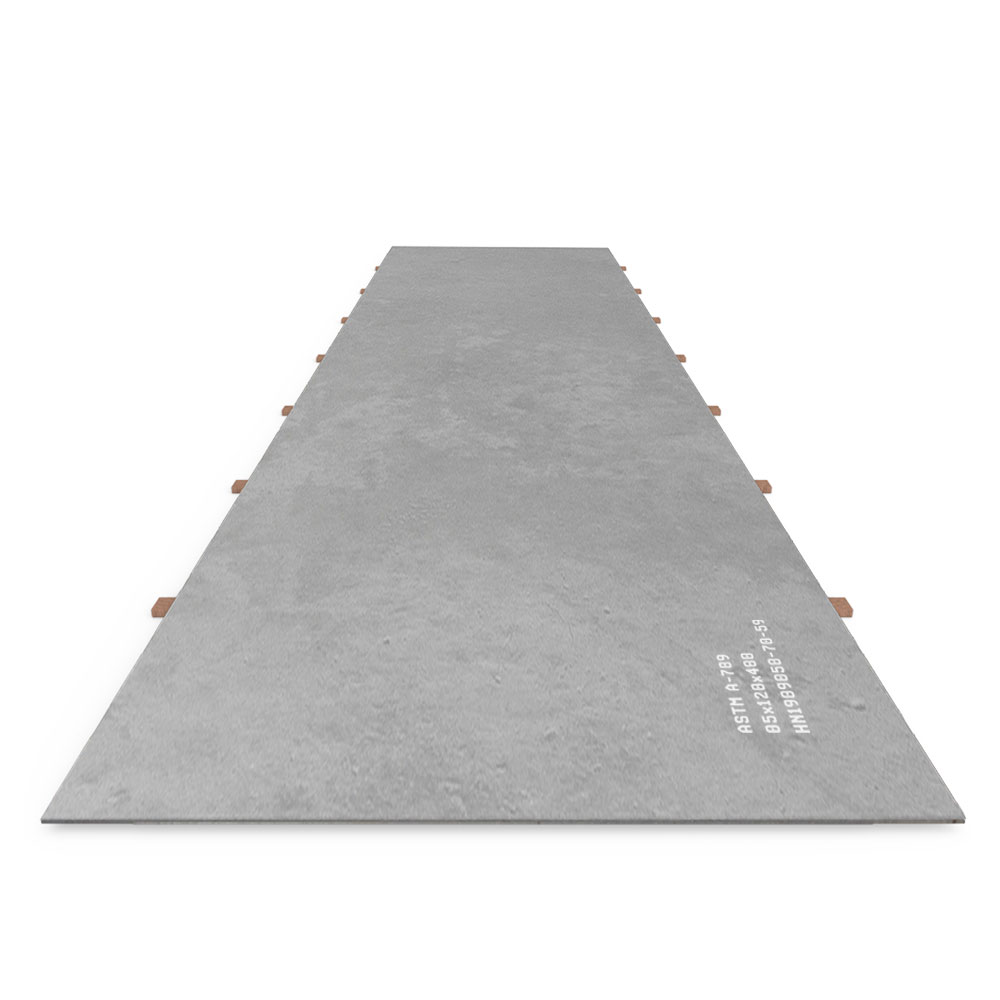
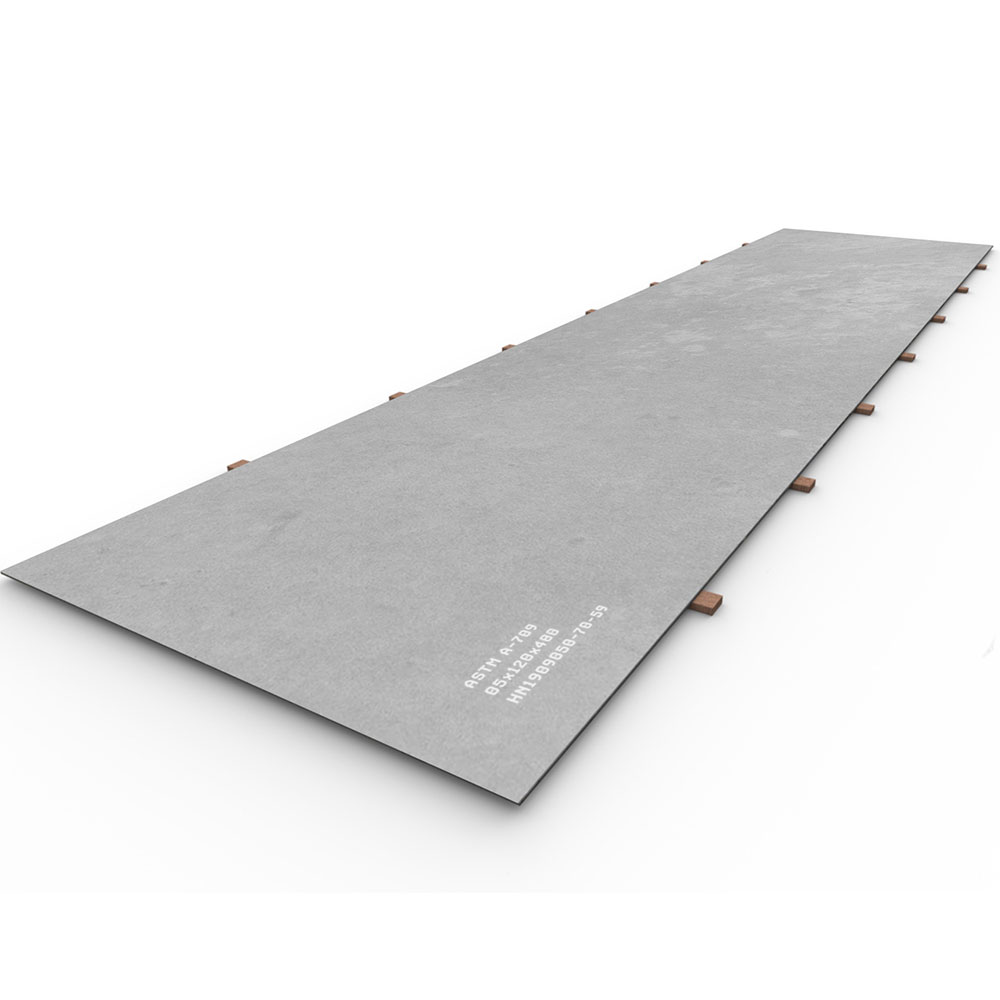
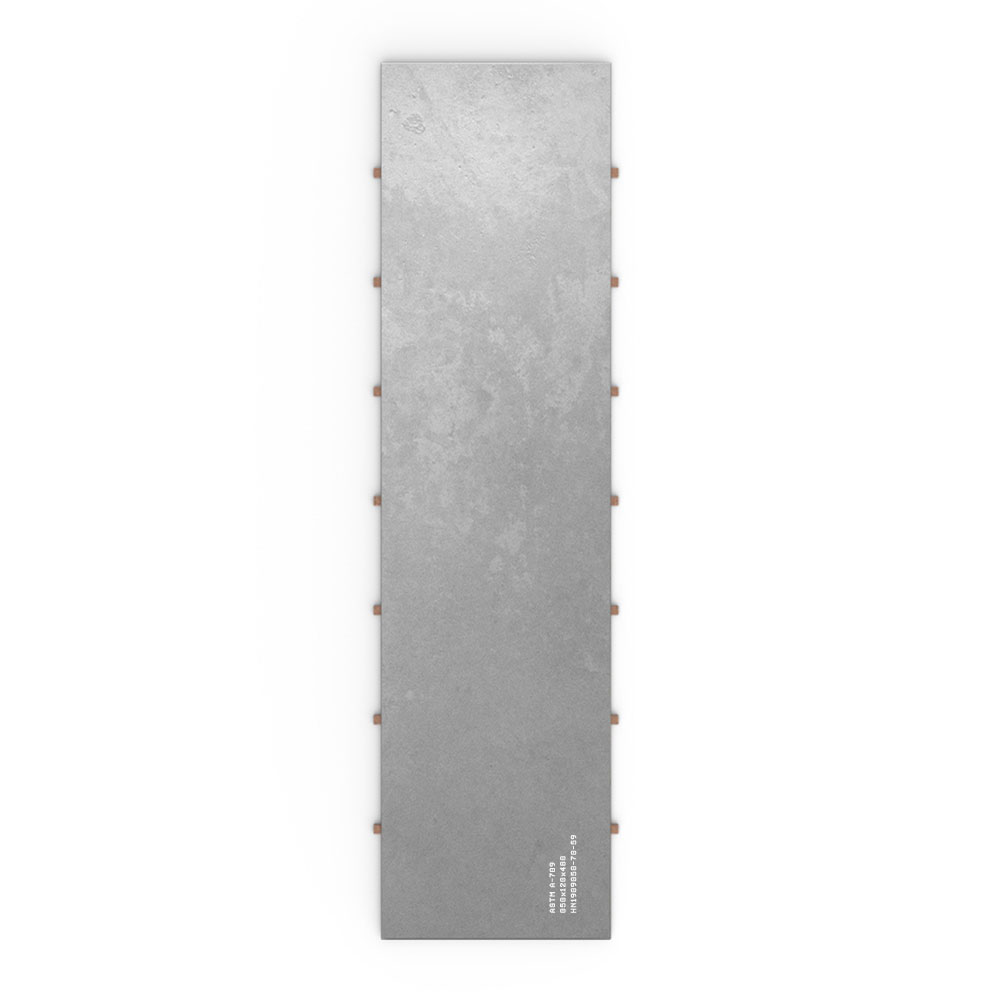
ASTM A709 Structural Steel Plate for Bridges

ASTM A709 steel plate is commonly used for bridge manufacturing and bridge-related structural applications that require defined strength, toughness or climate-related testing requirements. Leeco® Steel stocks A709 plate in standard and high-performance grades.
BUILD A QUOTE

Features

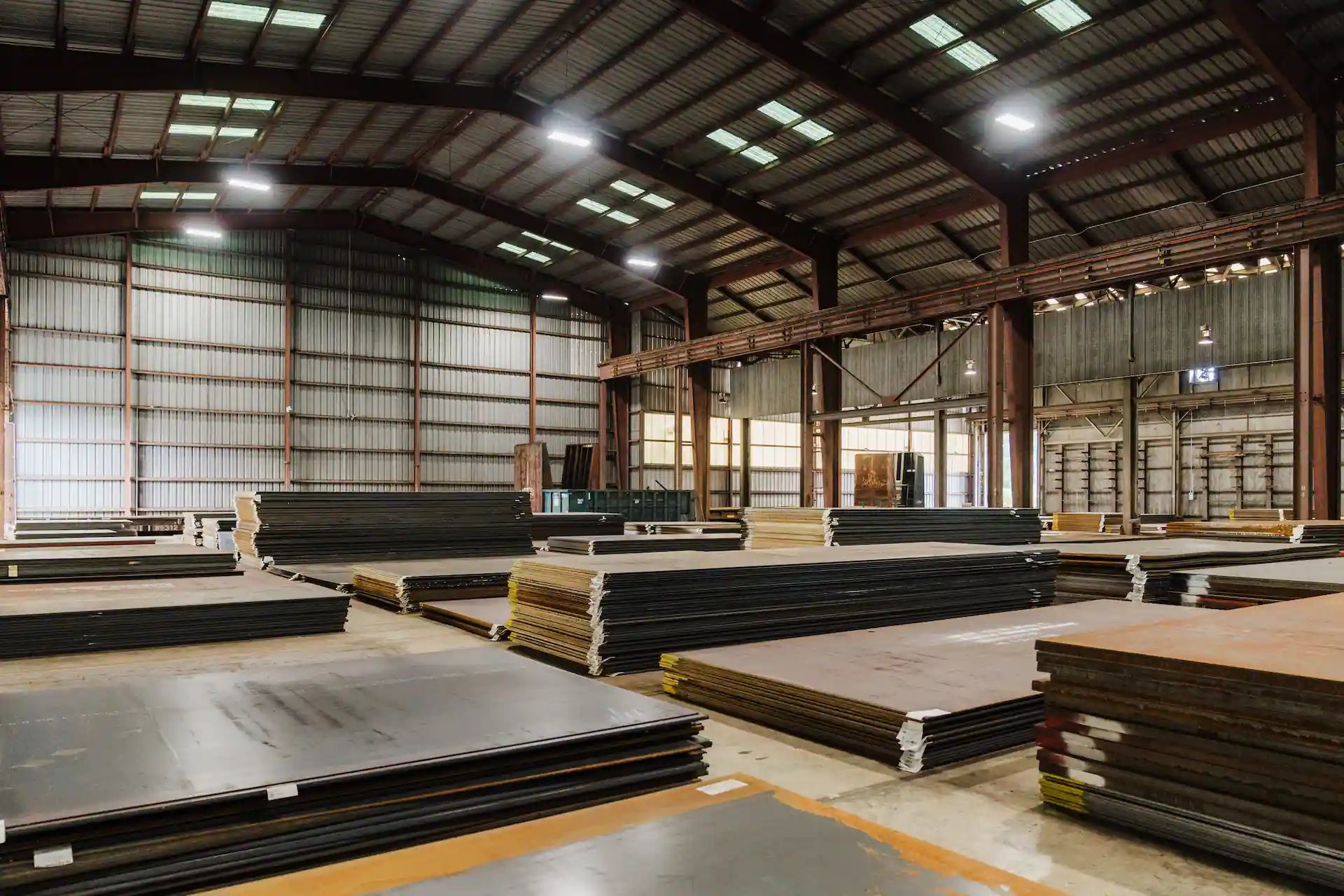
  • Heavy thicknesses (3-inches or thicker) available at most Leeco Steel distribution centers.

  • Available in standard grades: 36, 50 and 50W.

  • Available in high-performance grades: HPS 50W and HPS 70W.

  • Charpy test requirements for specific zones and climates may be requested.
Build Your Quote

Use our quote builder to configure your steel plates by selecting the material, size, thickness, quantity, and any custom requirements for fast, accurate pricing.

Product Details

Grade Thickness Width Length
A709-36 3/16" – 4" 48" – 120" Up to 480"
A709-50 3/16" – 4" 48" – 120" Up to 480"
A709-50W 3/16" – 4" 48" – 120" Up to 480"
A709-HPS 50W 3/16" – 4" 48" – 120" Up to 480"
A709-HPS 70W 3/16" – 4" 48" – 120" Up to 480"
Grade Yield Point (ksi) Tensile Strength (ksi) Min. 2” Elongation %
36 36 58-80 23
50 50 65 21
50W 50 70 21
HPS 50W 50 70 21
HPS 70W 70 85-110 19
Carbon max 0.25-0.27%
Manganese 0.80 - 1.20%
Phosphorus max 0.030%
Sulfur max 0.030%
Silicon, > 1 1/2" thick 0.15-0.40%
Silicon max, plates ≤ 1 1/2" thick 0.40%
Copper min 0.20%
Manganese content of 0.85 - 1.35% and silicon content of 0.15 - 0.40% are required for grade 36 shapes with flange thickness over 3".
Carbon max 0.23%
Manganese max 1.35%
Phosphorus max 0.030%
Sulfur max 0.030%
Silicon, > 1 1/2" thick 0.15-0.40%
Silicon max, plates ≤ 1 1/2" thick 0.40%
Columbium 0.005-0.05%
Vanadium 0.01-0.15%
Carbon max 0.19%
Manganese 0.80-1.25%
Phosphorus max 0.030%
Sulfur max 0.030%
Silicon 0.30-0.65%
Copper 0.25-0.40%
Vanadium 0.02-0.10%
Chromium 0.40-0.65%
Nickel max 0.40%
Carbon max 0.20%
Manganese 0.75-1.35%
Phosphorus max 0.030%
Sulfur max 0.030%
Silicon 0.15-0.50%
Copper 0.20-0.40%
Vanadium 0.01-0.10%
Chromium 0.40-0.70%
Nickel max 0.50%
Carbon max 0.11%
Manganese 1.10-1.50%
Phosphorus max 0.020%
Sulfur max 0.006%
Silicon 0.30-0.50%
Copper 0.25-0.40%
Vanadium 0.04-0.08%
Chromium 0.45-0.70%
Aluminum 0.010-0.040%
Nitrogen max 0.015%
Nickel 0.25-0.40%
Molybdenum 0.02-0.08%

Multi-Certification

ASTM A709 and AASHTO M270 are closely related bridge steel specifications issued by different organizations. When material satisfies both specifications, steel plate can be dual-certified to meet both ASTM and AASHTO requirements, which is often requested for bridge fabrication projects. 

Product MTRs commonly also certify the plate for
ASTM A709 AASHTO M270

Grade Comparison

Frequently Asked Questions

Learn more about A709 steel plate.
S355 is governed by EN standards, but some projects may require material that meets ASTM standards. ASTM A572 Grade 50 is commonly considered a close comparison and may be an acceptable substitute for some S355 applications because both grades have similar chemical compositions and are high-strength, low-alloy structural steels. However, S355 qualities such as JR, J0, J2, K2, NL or ML can have different toughness, delivery condition and Charpy requirements, so substitute material should be reviewed carefully. Always confirm the project specification, mechanical properties, chemistry, Charpy requirements and MTR details before substituting ASTM A572, ASTM A709 or another grade for S355.
ASTM A709 is a steel plate specification used for bridge applications. AASHTO M270 is a similar bridge steel specification governed by the American Association of State Highway and Transportation Officials and is commonly used for vehicle bridge projects. The two specifications are closely related, so steel plate may be dual-certified to meet both ASTM A709 and AASHTO M270 when the material satisfies both standards.
ASTM A709 steel plate is used primarily for bridge manufacturing and bridge-related structural applications. It is commonly specified for projects that require bridge-grade strength, toughness, certification or climate-related testing requirements.
A709 Grade 50 and Grade 50W are standard A709 bridge plate grades, while HPS 50W and HPS 70W are high-performance steel grades. The “W” grades have enhanced atmospheric corrosion resistance and HPS 70W provides a higher strength level than Grade 50 or HPS 50W. A709 grades should be selected based on the project specification, required strength, corrosion resistance, Charpy requirements and bridge design conditions.
The “W” in A709 Grade 50W indicates enhanced atmospheric corrosion resistance. A709 50W, HPS 50W and HPS 70W are weathering-style bridge steel grades used when a project requires improved resistance to atmospheric corrosion.
Charpy V-notch testing may be required for ASTM A709 steel plate depending on the project specification, bridge application, service climate and fracture-critical requirements. A709 grades can be specified to meet Charpy test requirements for specific zones and climates when the plate is ordered.