
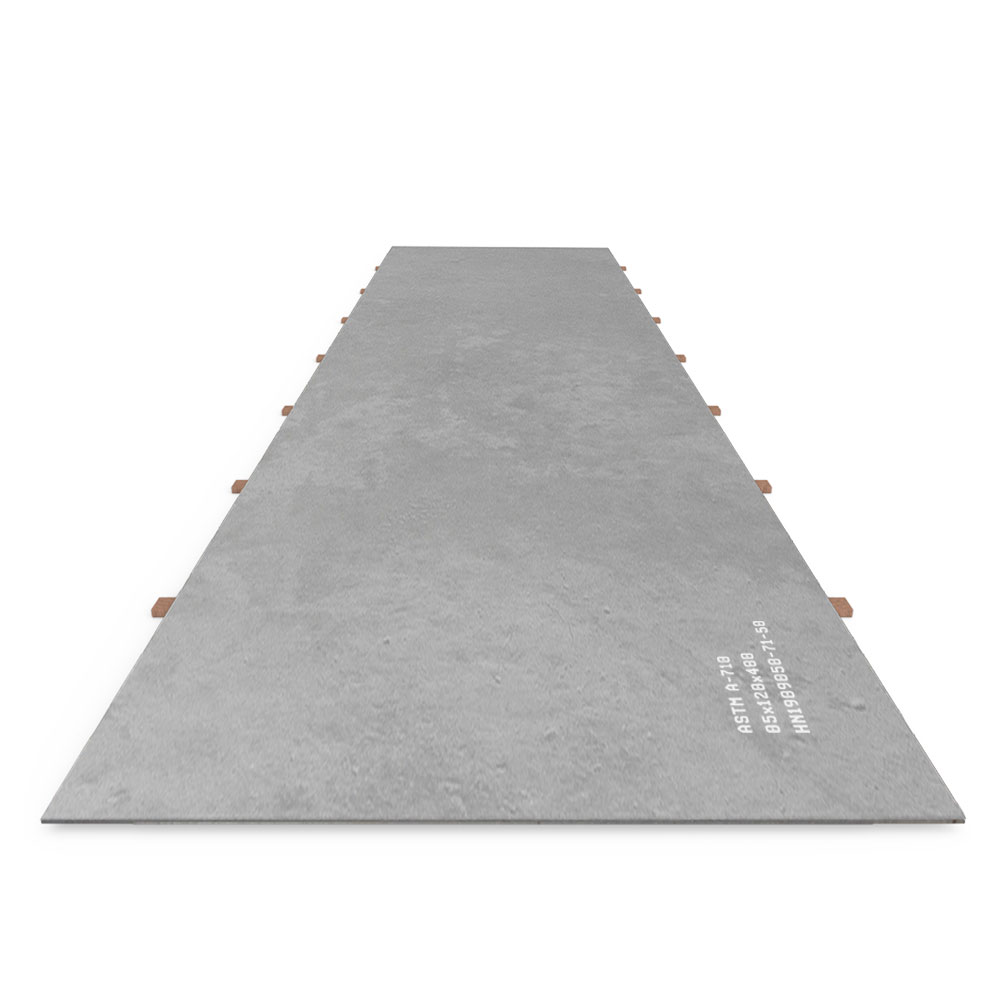
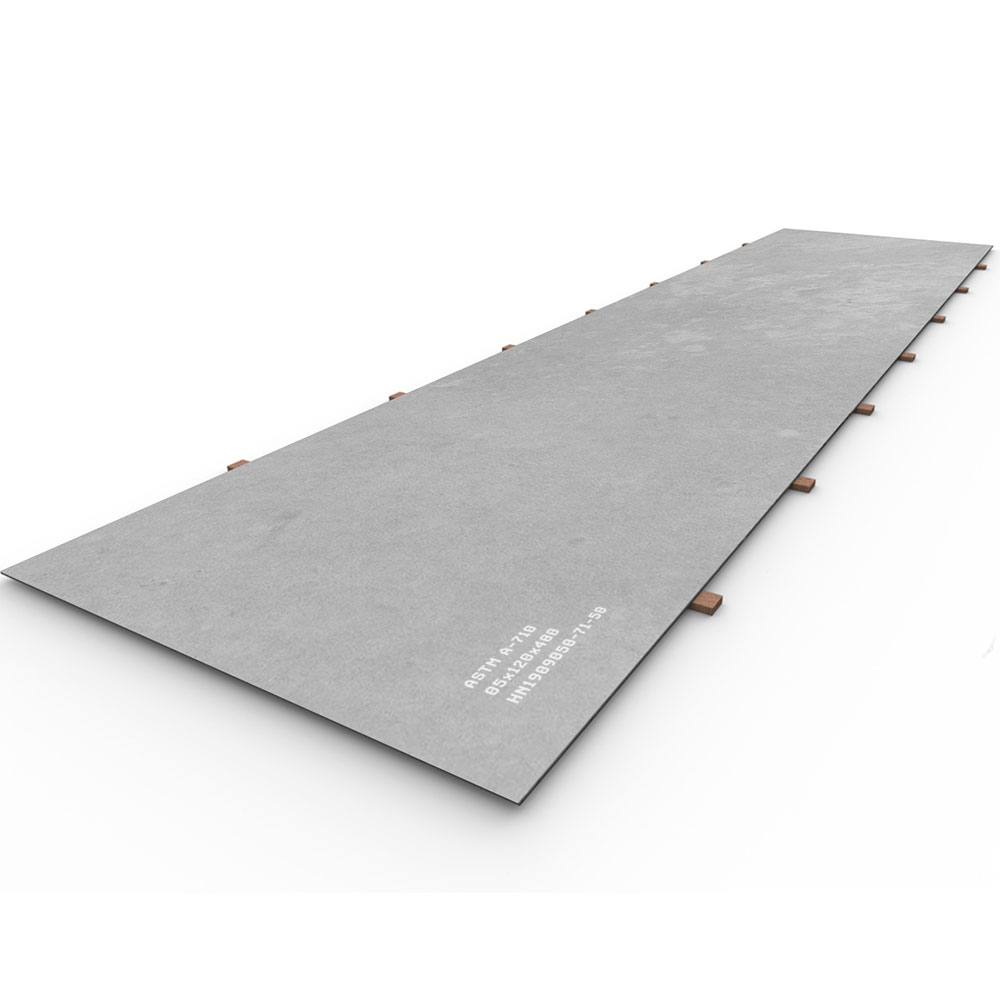
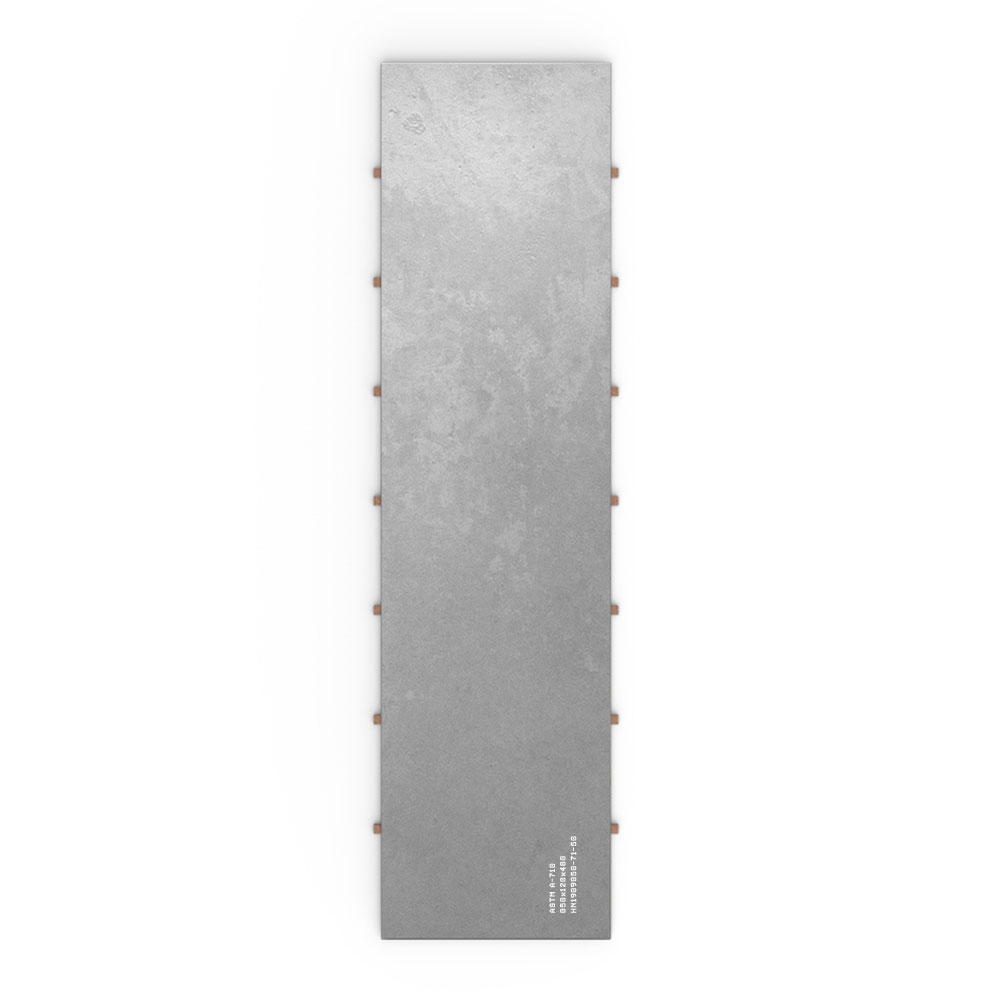
ASTM A710 Precipitation-Strengthened Low-Carbon Steel Plate

ASTM A710 is a low-carbon, age-hardening alloy steel plate used where weight reduction, fabrication ease and reduced welding costs are important. Its precipitation-strengthening process helps increase yield and tensile strength while supporting toughness and machinability.

BUILD A QUOTE

Features

  • Low-carbon, high-yield alloy steel plate.

  • Age hardened, also known as precipitation hardened, to increase strength.

  • Available in Grades A and B, with Classes 1, 2 and 3.

  • Yield and tensile strengths vary by thickness and rolled condition.

  • Mill test reports are supplied with each order.
Build Your Quote

Use our quote builder to configure your steel plates by selecting the material, size, thickness, quantity, and any custom requirements for fast, accurate pricing.

Product Details

Grade Thickness Width Length
A710-A Class 1 1/4" – 3/4" 48" – 120" Up to 480"
A710-A Class 2 & 3 1/4" – 8" 48" – 120" Up to 480"
A710-B 1/4" – 2" 48" – 120" Up to 480"
Grade Yield Point (ksi) Tensile Strength (ksi) Min. 2” Elongation %
A 50-85 60-90 20
B 70-75 80-85 20
Carbon max 0.07%
Manganese 0.40-0.70%
Phosphorus max 0.025%
Sulfur max 0.025%
Silicon max 0.40%
Copper 1.00-1.30%
Columbium 0.02% min
Chromium 0.60-0.90%
Nickel 0.70-1.00%
Molybdenum 0.15-0.25%
Carbon 0.03-0.09%
Manganese 0.45-1.30%
Phosphorus max 0.025%
Sulfur max 0.025%
Silicon 0.30-0.50%
Copper 1.25-1.50%
Columbium 0.02-0.06%
Chromium max 0.30%
Nickel 0.80-1.00%
Molybdenum max 0.25%
Titanium 0.01-0.03%

Grade Comparison

Frequently Asked Questions

Learn more about A710 steel plate.
ASTM A710 steel plate is used when a project needs low-carbon alloy steel with high yield strength, fabrication ease and potential weight reduction. Common applications include jack-up rigs, construction equipment, rail cars, truck frames, piping components and shipbuilding.
Age hardening, also called precipitation hardening, is a strengthening process that helps increase the yield and tensile strength of ASTM A710 steel plate. For A710, precipitation strengthening can occur after hot rolling, during normalizing or through additional heat treatment, depending on the grade, class and required condition. A710 grades are not intended for applications above 900°F [480°C].
ASTM A710 is available in Specification A and Specification B, and each has three classes tied to different delivery or heat-treatment conditions. Specification A includes as-rolled and precipitation heat treated, normalized and precipitation heat treated and quenched and precipitation heat treated classes. Specification B includes as-rolled, normalized, and normalized plus precipitation heat treated classes.
A710 yield and tensile strengths vary because the plate’s mechanical properties depend on thickness, grade, class and delivery condition. Since A710 can be supplied in as-rolled, normalized, quenched or precipitation heat-treated conditions, the selected class affects the strength levels and performance requirements shown on the MTR.
ASTM A710 is often used where ease of fabrication and reduced welding costs are important. Its low-carbon alloy design and age-hardening strength development can make it useful for applications that need high strength without sacrificing fabrication efficiency, but welding procedures should still match the class, thickness and intended service requirements.
ASTM A710 steel plate may require notch toughness testing depending on the grade, class and project requirements. Grade A, Class 1 includes mandatory notch toughness requirements, while other toughness requirements should be confirmed based on the application, specification and ordered condition.