
Marine Industry Steel Plate Supplier

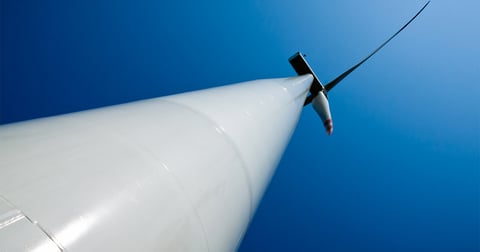
The marine industry has unique material needs and considerations, given that maritime conditions can be rough on any material – steel included. From shipbuilding to offshore wind turbines, cranes and piers, Leeco® Steel supplies marine industry customers with steel plate to meet their project specifications.

High-Volume Supplier

Leeco stocks large inventories of marine steel plate grades to meet high-volume needs.

Multi-Certified Material

Material can be certified to meet multiple marine specifications and supplemental requirements.

Stock Plate or Processed Parts

Material is available as stock plate or processed parts that meet specified tolerances.

Grades

Marine industry fabricators utilize grades that offer a balance of strength, weldability and corrosion resistance, with the most commonly-requested grades listed below. Given the similar mechanical properties of these grades, material might be certified to meet multiple specifications. Contact us to learn more.
Grade Thickness Width Length
ABS-AH36 1/4" – 4" 48" – 120" Up to 480"
ABS-DH36 1/4" – 4" 48" – 120" Up to 480"
ABS-EH36 1/4" – 4" 48" – 120" Up to 480"
API 2H Grade 50 1/4" – 4" 48" – 120" Up to 480"
A633-C 1/4" – 6" 48" – 120" Up to 480"

Processed Parts & Profiles

From barge components to dredging equipment, steel plate is used in a variety of ways offshore. Raw plate is often processed into large, heavy (>3” thick) and complex parts that require precise cuts, extensive welding and tight tolerances.

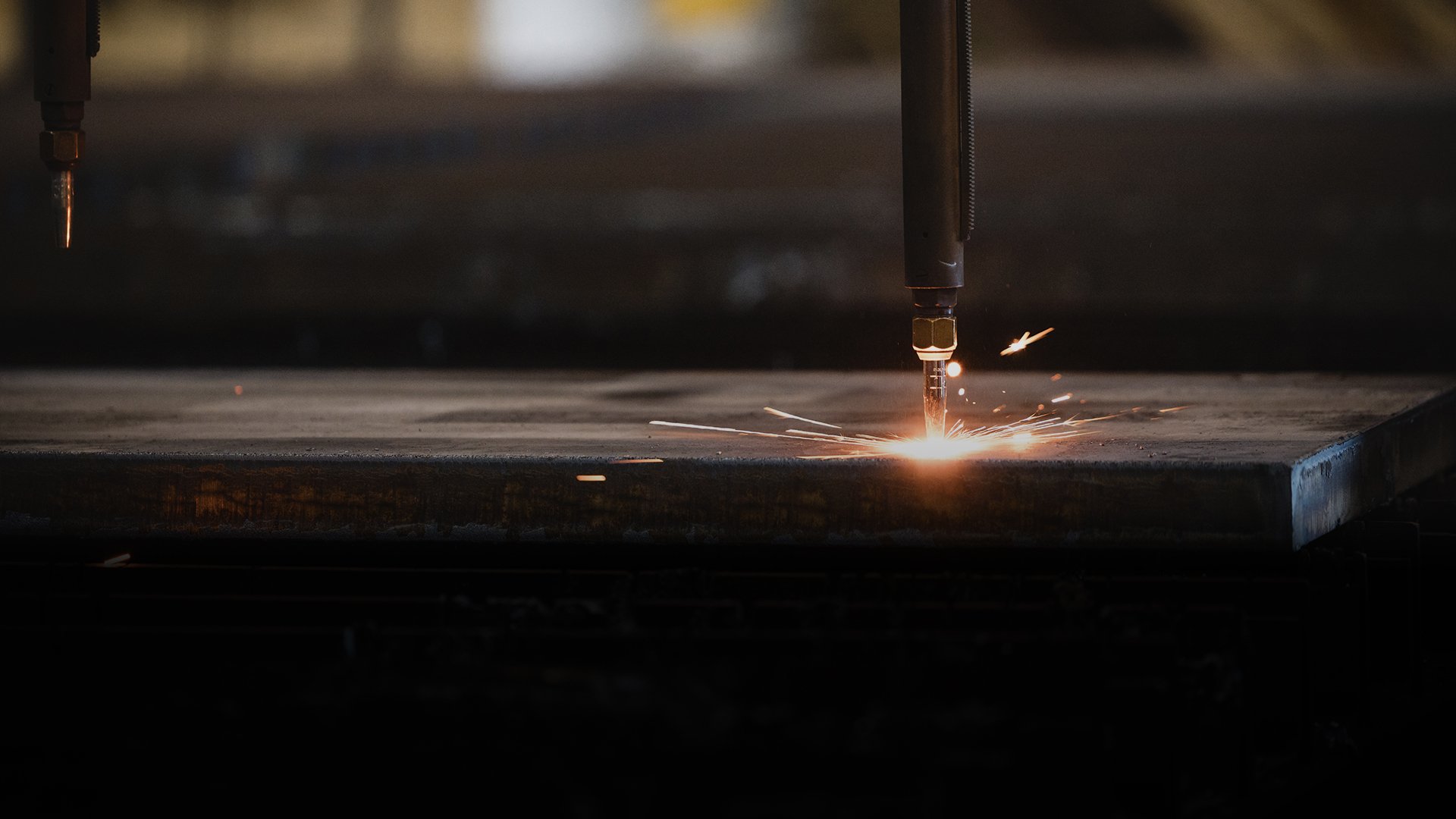
Leeco offers oxy, plasma and laser cutting services so material arrives ready for fabrication. Our combination cutting machines can perform multiple functions – such as cutting, drilling, tapping, beveling and chamfering – on a single setup, which saves time and cost while reducing nonconformances.

The Leeco Advantage

Leeco strives to be a true partner, not just a transaction. We deeply understand the plate market and the needs of marine industry fabricators and use that knowledge and expertise to help you make the best sourcing decisions for your business. From an online customer portal to regular plate market update reports, Leeco offers distinct advantages to plate buyers.
Frequently Asked Questions

Learn more about steel plate for marine & shipbuilding.
Marine fabrication often requires steel grades that combine strength, toughness, weldability and corrosion resistance. Common choices include API 2H 50 and ABS-certified grades such as AH36, DH36 and EH36. These grades are often used to for shipbuilding, barges, marine equipment and structural vessel components. Offshore applications frequently use API 2H Grade 50 material because it provides excellent fatigue resistance and impact toughness. High-strength low-alloy (HSLA) grades such as ASTM A633 are also used when greater strength and low-temperature performance are required. Many marine fabricators prefer multi-certified steel plates that meet several specifications simultaneously. For example, API 2H Grade 50 can often be certified to ASTM A633 Grade C, ABS DH36/EH36 and ASTM A537 Class 1, helping simplify procurement and inventory management. API 2H orders frequently include supplemental testing and certification requirements to satisfy a wide range of customer and project specifications.
Supplemental requirements are additional testing, inspection or material-property requirements added to a base steel specification. They provide extra assurance that a plate will perform as required in demanding applications such as offshore platforms, shipbuilding, pressure vessels and heavy marine structures.
The best materials for offshore equipment are those that can withstand saltwater exposure, cyclic loading, harsh weather and demanding structural requirements. Offshore fabricators commonly use API 2H Grade 50, ABS EH36, ABS DH36 and other marine-grade steel plates engineered for welded offshore structures. These materials offer high strength, excellent weldability, strong impact resistance and improved fatigue performance. Applications such as offshore platforms, tubular joints, suction piles, cranes, winches, anchoring systems, manifolds and subsea structures require materials capable of resisting plastic fatigue loading and maintaining integrity under dynamic conditions. API 2H is widely specified because it was specifically developed for critical offshore structures where toughness and reliability are essential.
Shipbuilding steel typically requires certification from a recognized classification society. The most commonly requested certification in North America is from the American Bureau of Shipping (ABS). ABS-certified grades include ordinary-strength grades such as ABS A and ABS B, as well as higher-strength grades including AH36, DH36 and EH36. Offshore projects may also require compliance with American Petroleum Institute (API) standards such as API 2H. Depending on the vessel or offshore structure, customers may request additional testing and supplements that verify ultrasonic quality, through-thickness properties, impact toughness, sulfur content and individual plate testing. Common API 2H supplements include S1, S3, S4 and S5. Fabricators should also ensure mill test reports, heat number traceability and certification documentation are available to support project approvals and regulatory compliance.
Material traceability helps ensure every steel plate used in a vessel or offshore structure can be linked back to its original mill certification, testing data and manufacturing records. This documentation is critical for meeting classification society requirements, project specifications, audits and safety standards. Traceability also helps fabricators verify mechanical properties, chemical composition, impact testing results and supplemental requirements throughout the fabrication process. If a quality issue arises, traceability allows project teams to quickly identify affected materials and maintain compliance with regulatory and customer requirements.
Marine fabricators should look for a supplier with extensive inventory, marine-grade certifications, processing capabilities and expertise in offshore and shipbuilding applications. Access to stocked API 2H and ABS AH36, DH36, EH36 can significantly reduce project risk and lead times. A qualified supplier should also offer value-added services such as cutting, drilling, beveling, rolling, machining and testing. These capabilities help reduce fabrication bottlenecks and improve project efficiency. Finally, marine fabricators should prioritize suppliers that provide complete documentation, mill test reports, traceability, supplemental certifications and a strong understanding of ABS and API standards. Suppliers with experience supporting shipbuilding, offshore fabrication and marine equipment manufacturing are better positioned to help fabricators meet demanding project requirements.
A oxy fuel torch head on a oxy table cutting into a steel plate.

Contact Leeco Steel

We want to be your supplier of choice for steel plate, parts and profiles.