
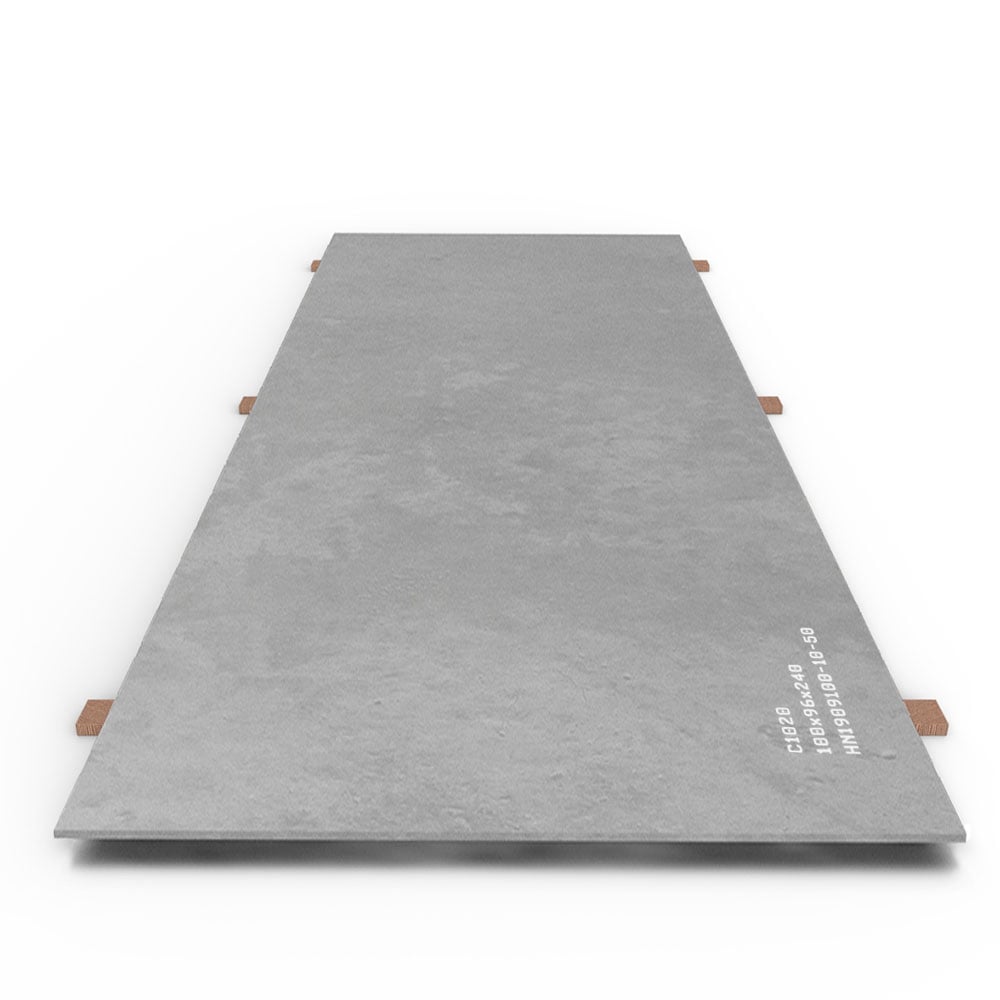
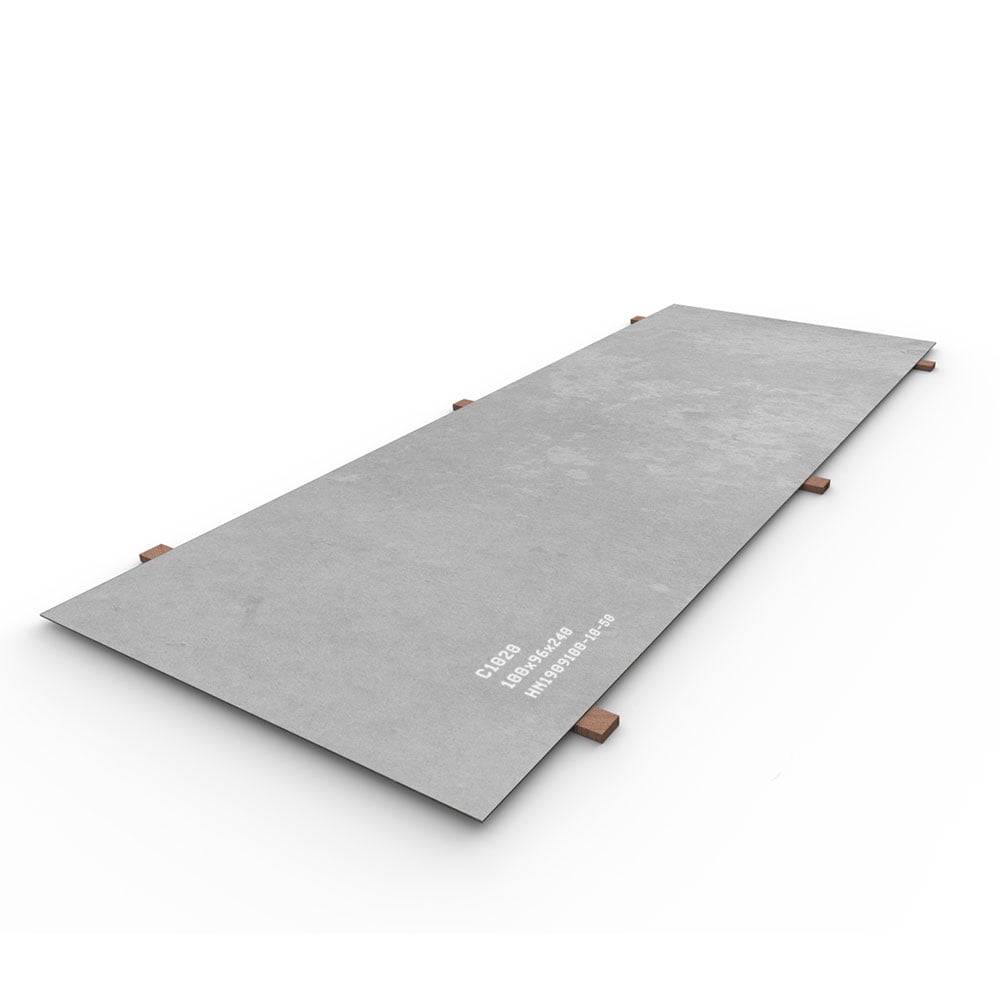
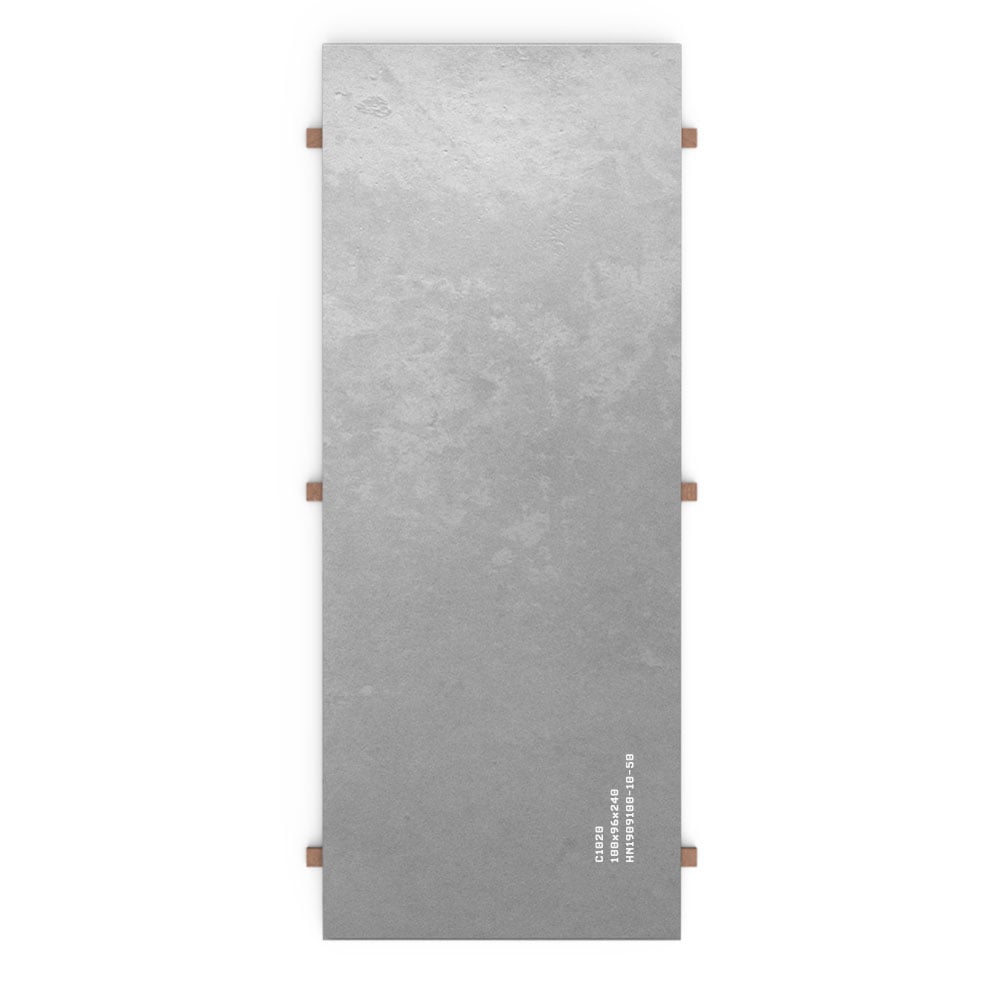
ASTM A830-1020 Low-Carbon Steel Plate

ASTM A830-1020 is a low-carbon steel plate known for ductility, machinability and formability. Leeco® Steel carries a robust supply of ASTM A830-1020 steel plate.
BUILD A QUOTE

Features

  • Available in standard and heavy (3-inches or greater) plate thickness.

  • While not routinely tested for mechanical properties, these can be requested as-needed.

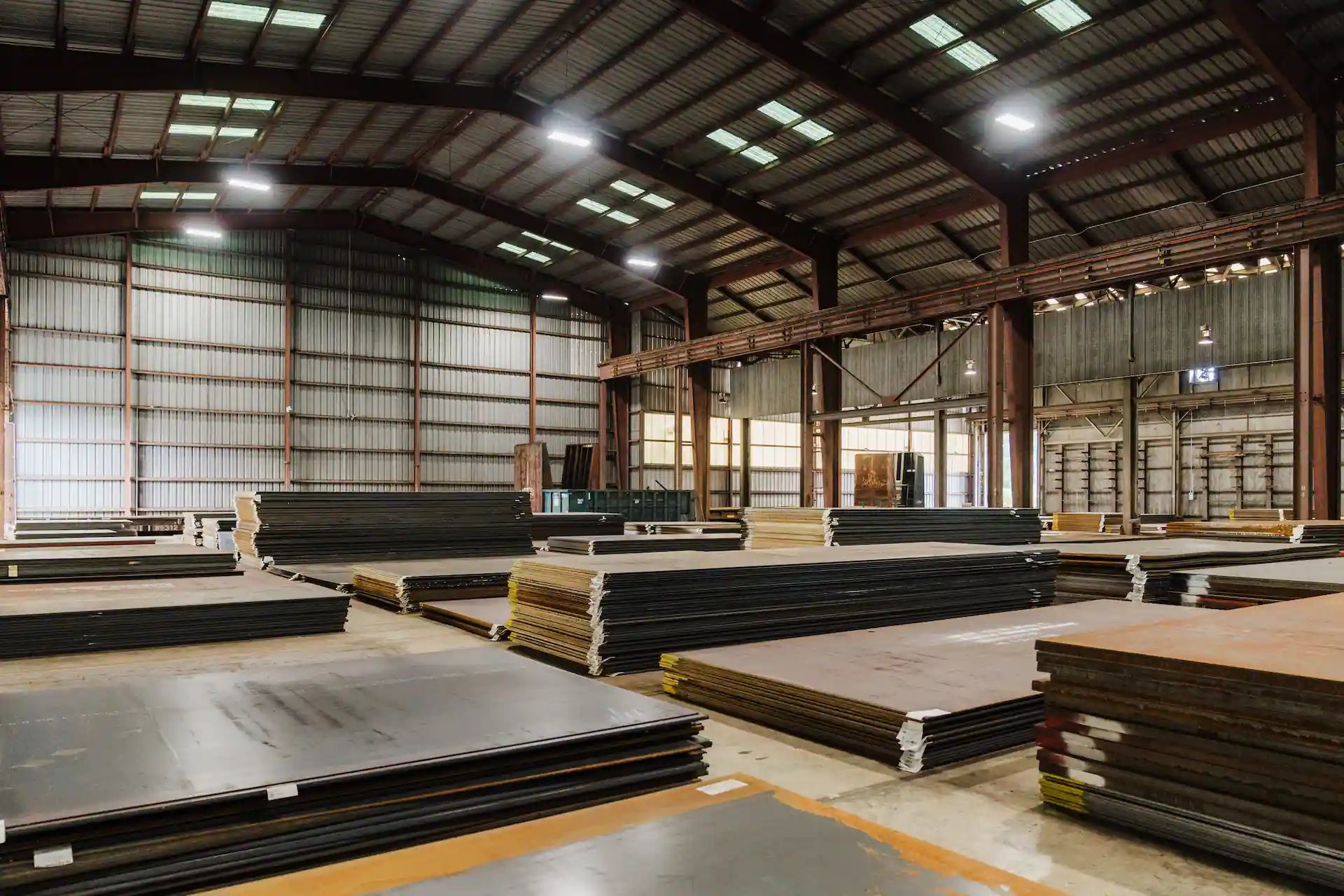
  • Due to quickly shifting inventory with this grade of structural steel, please inquire about availability.
Build Your Quote

Use our quote builder to configure your steel plates by selecting the material, size, thickness, quantity, and any custom requirements for fast, accurate pricing.

Product Details

Grade Thickness Width Length
C1020 Inquire Inquire Inquire
Carbon 0.18-0.23%
Manganese 0.30-0.60%
Phosphorus max 0.030%
Sulfur max 0.030%

Grade Comparison

Frequently Asked Questions

Learn more about A830-1020 steel plate.
A830-1020 and A830-1045 are both carbon steel plate grades within the ASTM A830 specification family, but they are used for different performance needs. A830-1020 has lower carbon content, which makes it better suited for applications that require ductility, formability, machinability and weldability. A830-1045 has higher carbon content and is typically used when a part requires greater hardness, strength or heat-treating potential.
ASTM A830-1020 steel plate is used for machined and fabricated parts that require low-carbon steel with good ductility, formability, machinability and weldability. Common uses include couplings, studs, bolts, structural components, base plates, machine frames and general-purpose machine parts. It may also be used for shafts, gears and axles when workability is more important than higher hardness or heat-treating potential.
In 1020 steel, the “10” refers to a plain carbon steel, while “20” refers to the approximate carbon content. This lower carbon content helps make A830-1020 more ductile, formable and weldable than higher-carbon grades such as A830-1045.
ASTM A830 steel grades are furnished primarily to chemical composition requirements, so A830-1020 is not always routinely tested for mechanical properties unless testing is requested. If a project requires specific yield, tensile, elongation or hardness values, those mechanical property requirements should be requested when the plate is ordered.