
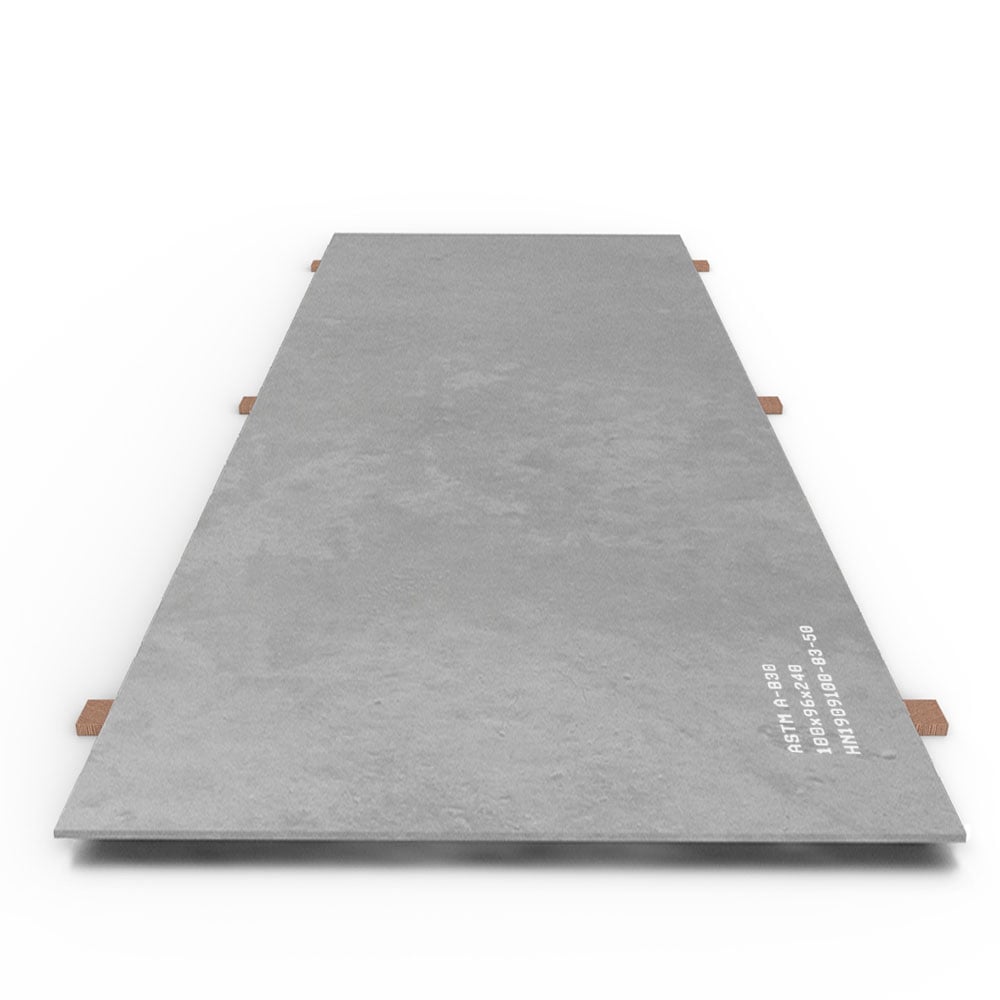
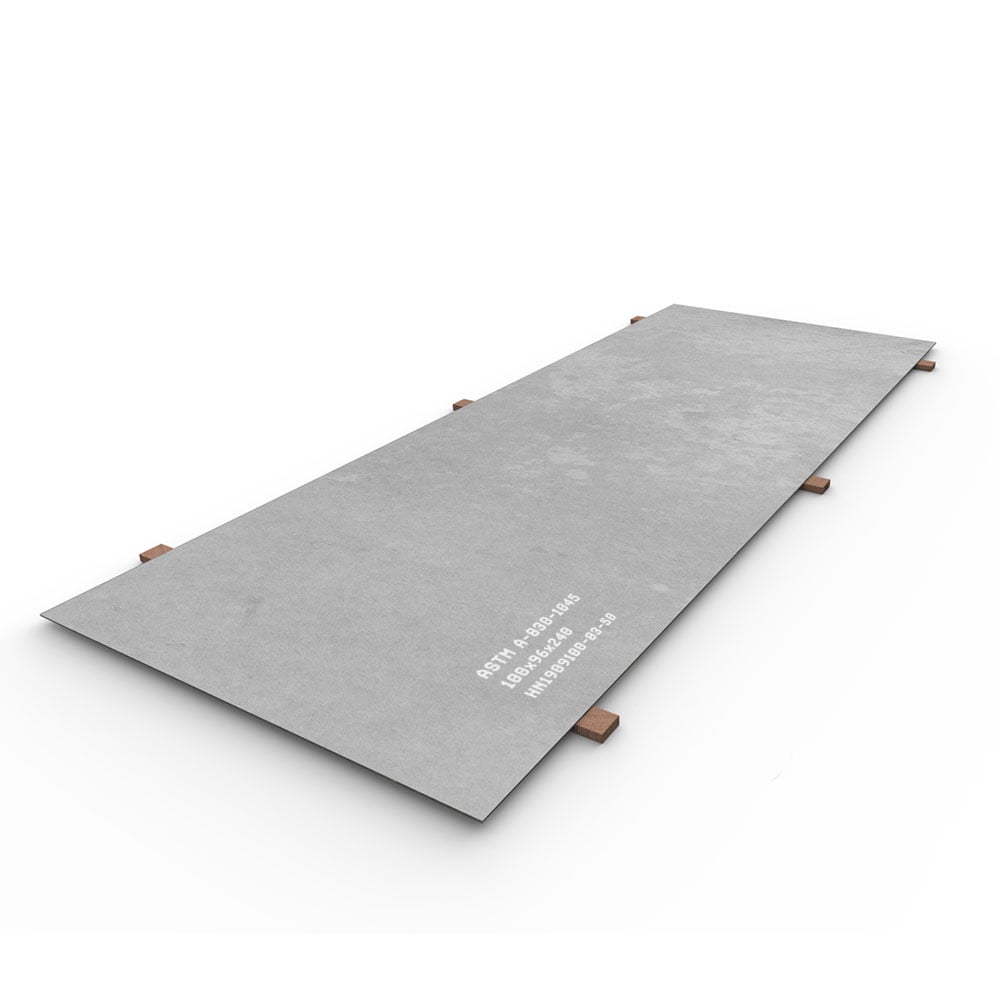
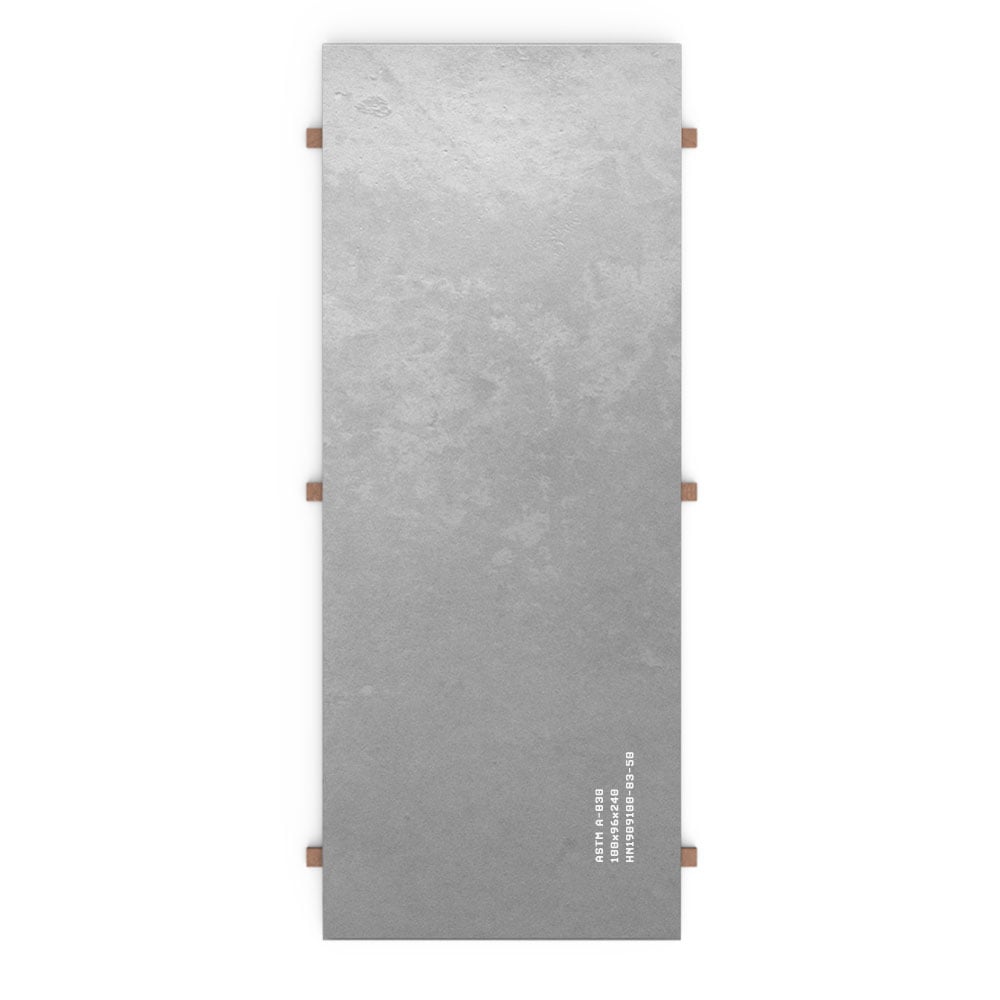
ASTM A830-1045 High-Carbon Steel Plate

ASTM A830-1045 is a high-carbon steel plate known for strength, hardness and heat-treating capability. Leeco® Steel stocks and supplies ASTM A830-1045 high-carbon steel plate throughout North America.
BUILD A QUOTE

Features

  • Can be heat-treated.

  • Typically used in manufacturing of gears, axles, shafts and machine parts.

  • While not routinely tested for mechanical properties, these can be requested as needed.
Build Your Quote

Use our quote builder to configure your steel plates by selecting the material, size, thickness, quantity, and any custom requirements for fast, accurate pricing.

Product Details

Grade Thickness Width Length
A830-1045 1/4" – 3" 48" – 120" Up to 480"
Carbon 0.43-0.50%
Manganese 0.60-0.90%
Phosphorus max 0.030%
Sulfur max 0.030%

Grade Comparison

Frequently Asked Questions

Learn more about A830-1045 steel plate.
4140 and 1045 steel plate are both used for parts that need strength and wear performance, but they are different types of steel. ASTM A829-4140 is a chromium-molybdenum alloy steel plate with strong hardenability and heat-treating response, making it a fit for higher-stress parts that need toughness, wear resistance and deeper hardening. ASTM A830-1045 is a higher-carbon steel plate often used for gears, shafts, axles and other machine parts when hardness, strength or heat-treating potential are needed at a lower alloy level. The right choice depends on the required wear resistance, toughness, machinability, heat treatment and application requirements.
A830-1020 and A830-1045 are both carbon steel plate grades within the ASTM A830 specification family, but they are used for different performance needs. A830-1020 has lower carbon content, which makes it better suited for applications that require ductility, formability, machinability and weldability. A830-1045 has higher carbon content and is typically used when a part requires greater hardness, strength or heat-treating potential.
ASTM A830-1045 steel plate is commonly used for parts that require greater hardness, strength or heat-treating potential, including gears, axles, shafts, sprockets and heavy-duty machine components.
In 1045 steel, the “10” refers to a basic carbon steel, while “45” refers to the approximate carbon content. This higher carbon content helps give A830-1045 its strength, hardness and heat-treating potential.
Yes. ASTM A830-1045 steel plate can be heat-treated to improve hardness and performance for specific applications. 1045 steel is commonly used when hardenability is important and may be further processed through methods such as flame or induction hardening depending on the part and application requirements.
ASTM A830 steel grades are furnished primarily to chemical composition requirements, so A830-1045 is not always routinely tested for mechanical properties unless testing is requested. If a project requires specific yield, tensile, elongation or hardness values, those mechanical property requirements should be specified when the plate is ordered.
ASTM A830-1045 is typically used when a part needs more hardness, strength or hardenability than a lower-carbon steel plate can provide. Lower-carbon grades may be better when formability is the priority, while 1045 is better suited for components such as gears, shafts, axles and machine parts that need stronger wear and load performance.