
ASTM A588 Corrosion-Resistant Structural Steel Plate

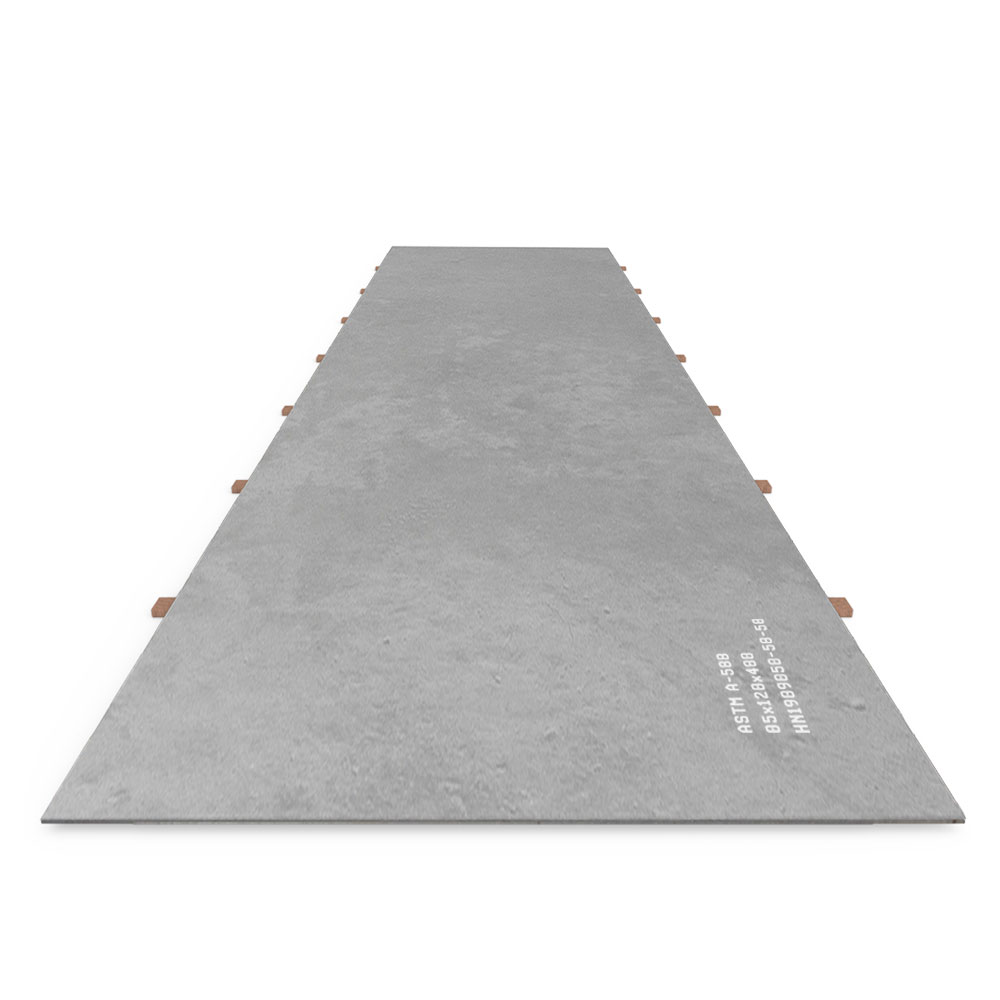
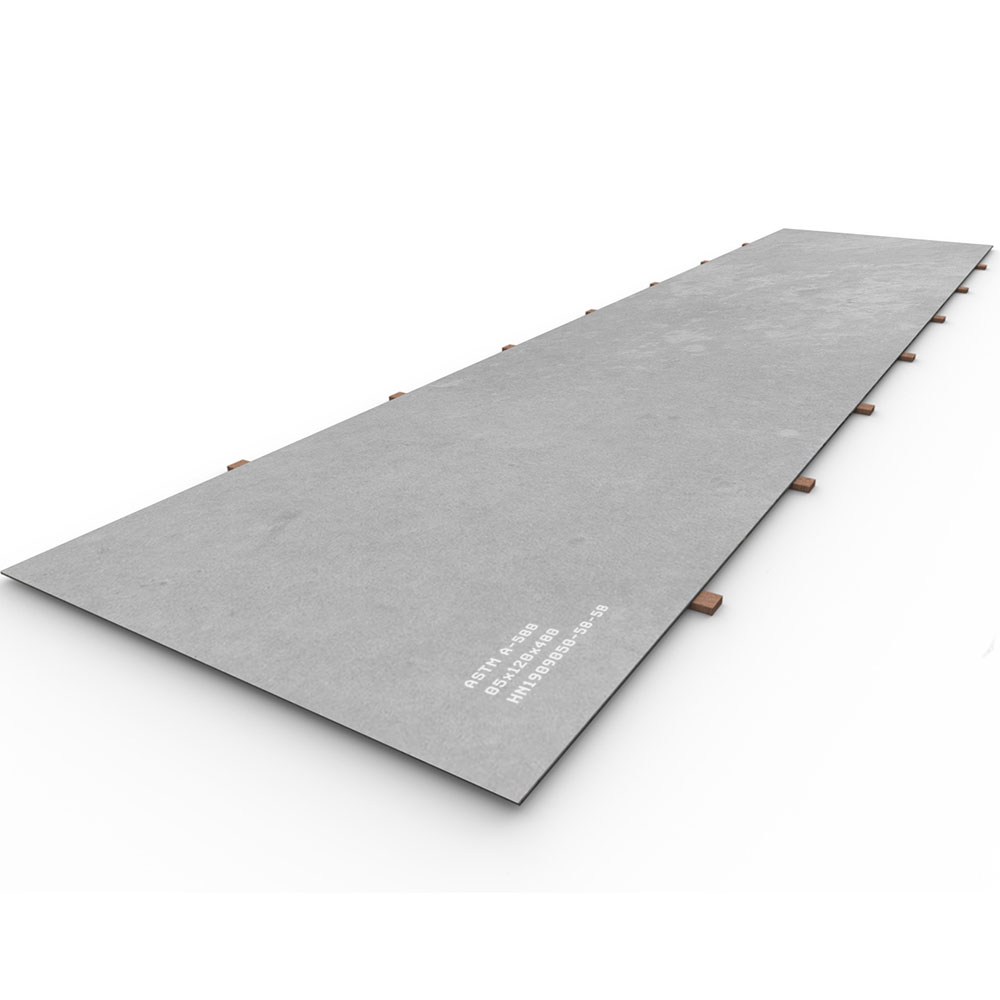
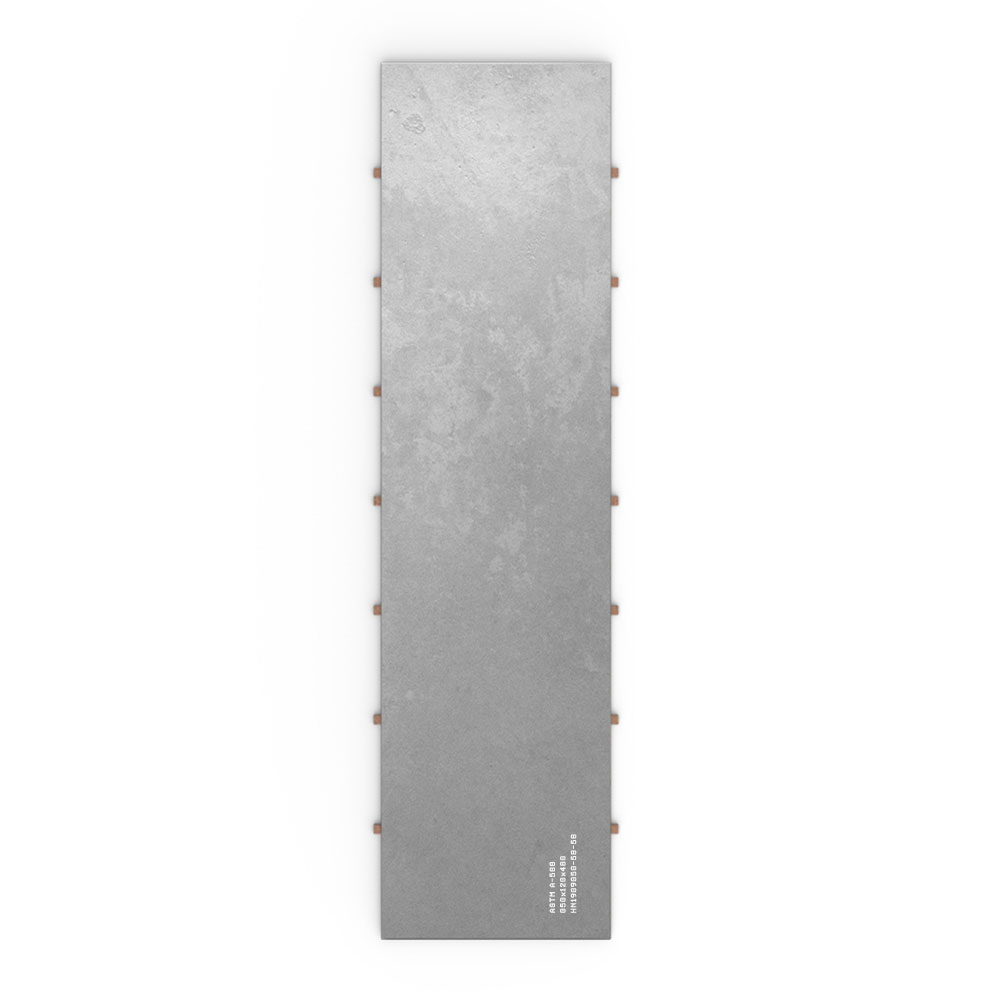
ASTM A588 steel plate is a corrosion-resistant, high-strength low-alloy structural steel often referred to as weathering steel. It is commonly used in outdoor structural applications where added durability and atmospheric corrosion resistance are required.

BUILD A QUOTE

Features

  • Available in three grades: A, B and K.

  • Has properties similar to COR-TEN® steel. Learn more.
  • Charpy test requirements may be requested.

  • May be certified to meet multiple specifications on mill test reports, but guaranteed to be certified to meet ASTM A588 standards.
Build Your Quote

Use our quote builder to configure your steel plates by selecting the material, size, thickness, quantity, and any custom requirements for fast, accurate pricing.

Product Details

Grade Thickness Width Length
A588-A 3/16" – 8" 48" – 120" Up to 480"
A588-B 3/16" – 8" 48" – 120" Up to 480"
A588-K 3/16" – 8" 48" – 120" Up to 480"
Thickness Range Yield Point (ksi) Tensile Strength (ksi) Min. 2” Elongation %
≤4" 50 70 21
>4" to ≤5" 46 67 21
>5" to ≤8" 42 63 21
Carbon max 0.19%
Manganese 0.80-1.25%
Phosphorus max 0.030%
Sulfur max 0.030%
Silicon 0.30-0.65%
Copper 0.25-0.40%
Vanadium 0.02-0.10%
Chromium 0.40-0.65%
Nickel max 0.40%
Carbon max 0.20%
Manganese 0.75-1.35%
Phosphorus max 0.030%
Sulfur max 0.030%
Silicon 0.15-0.50%
Copper 0.20-0.40%
Vanadium 0.01-0.10%
Chromium 0.40-0.70%
Nickel max 0.50%
Carbon max 0.17%
Manganese 0.50-1.20%
Phosphorus max 0.030%
Sulfur max 0.030%
Silicon 0.25-0.50%
Copper 0.30-0.50%
Columbium 0.005-0.05%
Chromium 0.40-0.70%
Nickel max 0.40%
Molybdenum max 0.10%

Grade Comparison

Frequently Asked Questions

Learn more about A588 steel plate.
ASTM A606 and ASTM A588 are both weathering steel specifications designed for improved atmospheric corrosion resistance. The main difference is product form: A606 is a corrosion-resistant steel sheet, while A588 is a heavier structural steel plate used for applications such as bridges, buildings and outdoor structures.
ASTM A871 and ASTM A588 are both corrosion-resistant structural steel plate grades with weathering properties. The main difference is common application: A871 is ideal for tubular structures and poles, while A588 is commonly used for bridges, buildings and other outdoor structural applications.
ASTM A588 steel plate is a corrosion-resistant, high-strength low-alloy structural steel. It is commonly referred to as weathering steel because it is designed to develop improved atmospheric corrosion resistance when properly exposed. A588 is used for welded, riveted or bolted structural applications where added durability or reduced painting needs are important.
A588 steel plate is used in outdoor structural applications where durability and atmospheric corrosion resistance are important. Common uses include bridges, buildings and other welded, riveted or bolted construction applications where the steel may be exposed to weather. Because A588 can often be used bare or unpainted when properly exposed, it is a practical option for projects where long-term durability or reduced painting needs are important.
A588 is a weathering steel specification, while COR-TEN® is a trademarked steel product. A588 is often compared to COR-TEN because both are designed to develop a protective rust-like patina when properly exposed to the atmosphere, helping improve durability in outdoor structural applications.
ASTM A588 and ASTM A709 Grade 50W are both corrosion-resistant steel plate grades used in outdoor structural applications. A588 is a weathering steel commonly used for bridges, buildings and outdoor structures, while A709 Grade 50W is a bridge-specific weathering steel grade used when a project requires A709 bridge specification requirements.
Charpy impact testing is not typically required for every A588 steel plate order, but it may be requested when the application requires added toughness verification. This may apply to low-temperature service, bridge-related work or other structural applications where impact toughness is important. If Charpy testing is required, it should be specified when the plate is ordered.