
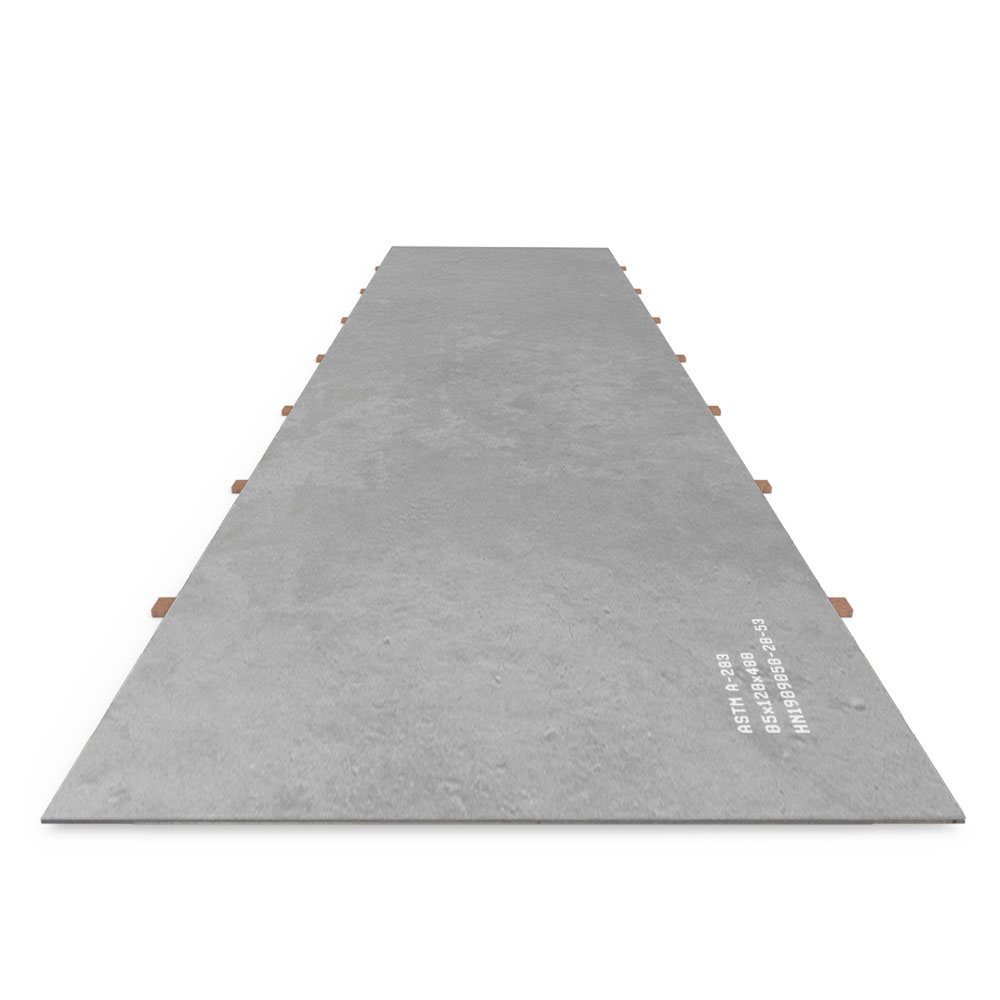
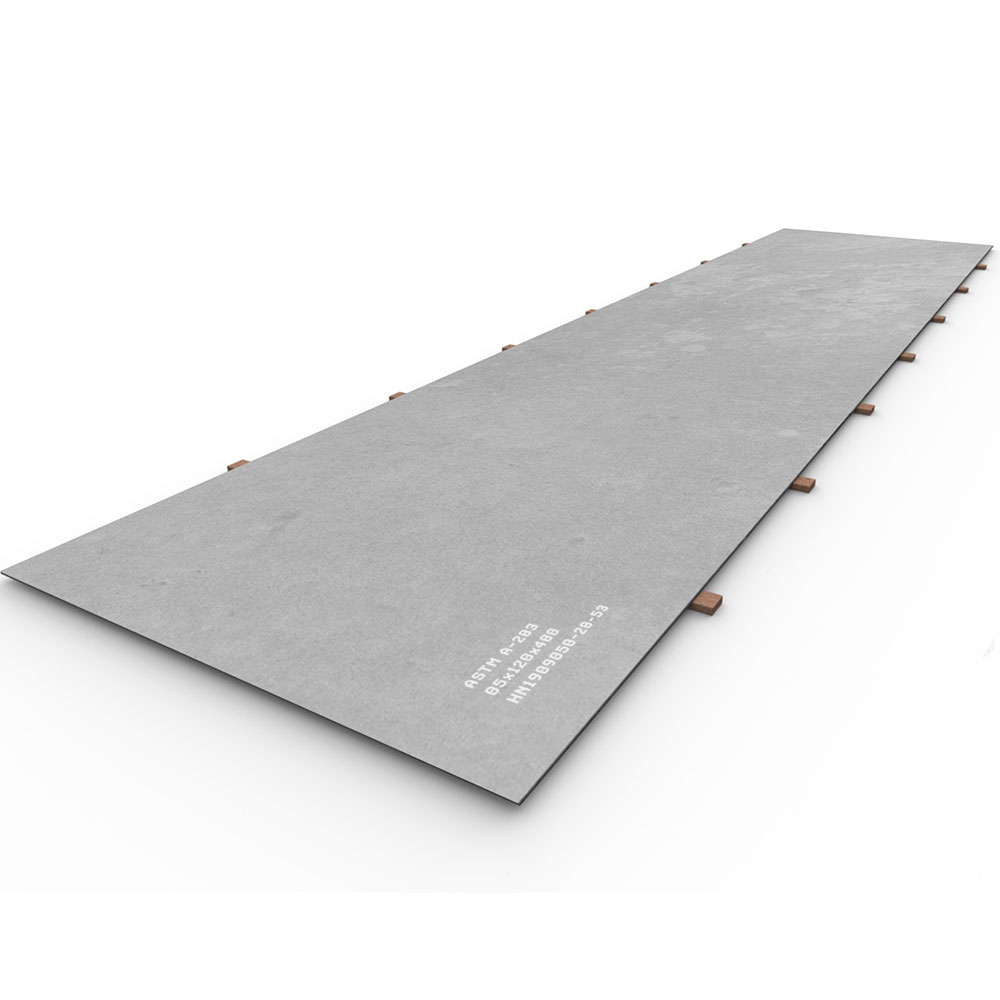
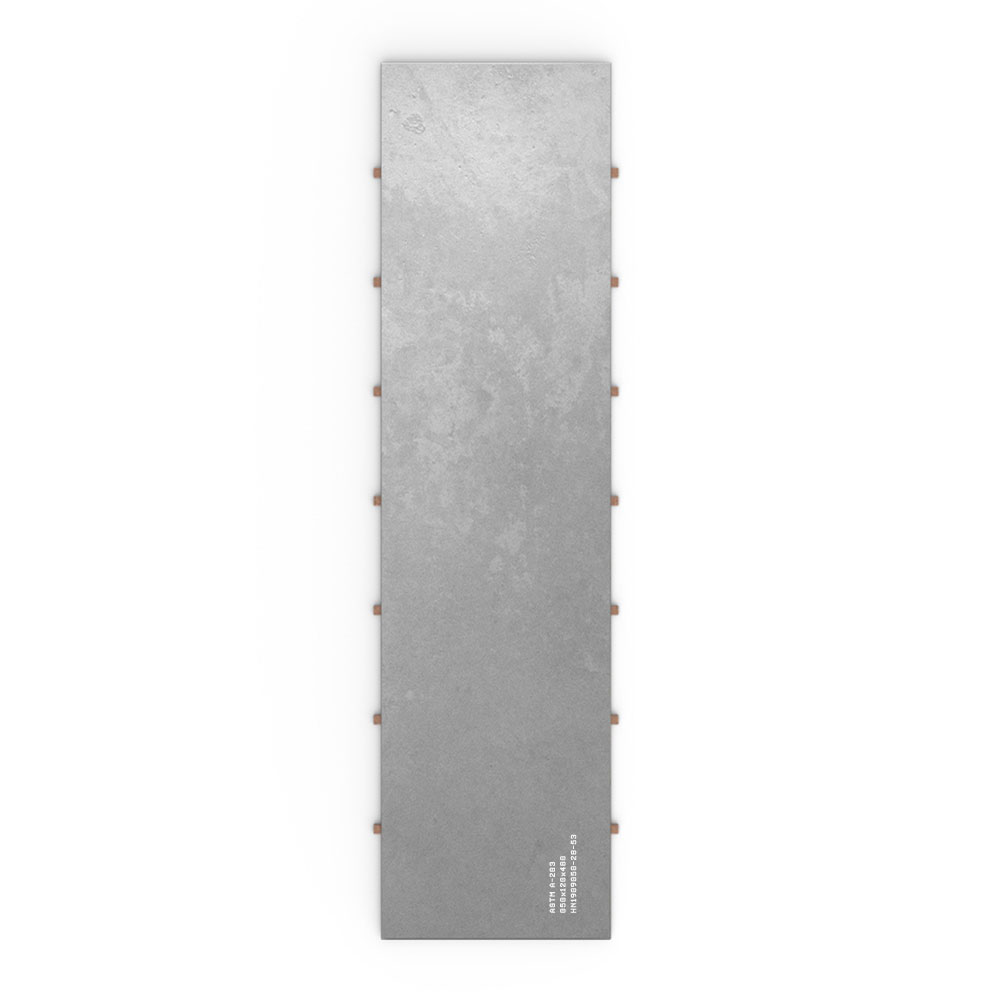
A283 Low-to-Intermediate Tensile Strength Steel Plate

ASTM A283 is a structural-quality carbon steel plate with low-to-intermediate tensile strength.

BUILD A QUOTE

Features

  • Available in two grades: C and D.

  • Commonly used for general structural applications with moderate strength requirements.

  • Due to quickly shifting inventory with this grade of structural steel, please inquire about availability.
Build Your Quote

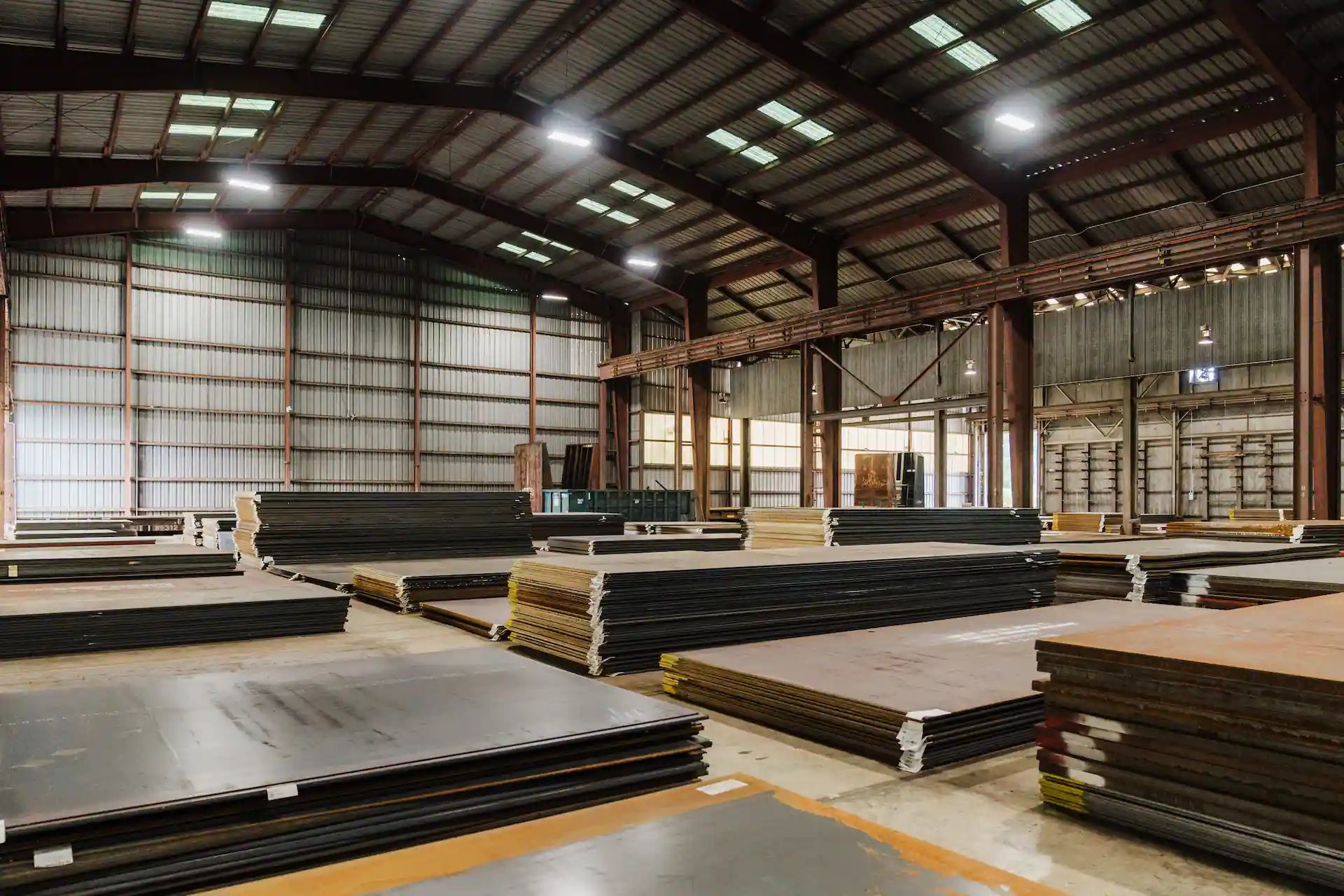
Use our quote builder to configure your steel plates by selecting the material, size, thickness, quantity, and any custom requirements for fast, accurate pricing.

Product Details

Grade Thickness Width Length
A283-C Inquire Inquire Inquire
A283-D Inquire Inquire Inquire
Grade Yield Point (ksi) Tensile Strength (ksi) Min. 8” Elongation %
C 30 55-75 22
D 33 60-80 20
Carbon max 0.24%
Manganese max 0.90%
Phosphorus max 0.030%
Sulfur max 0.030%
Silicon, > 1 1/2" thick 0.15-0.40%
Silicon max, plates ≤ 1 1/2" thick 0.40%
Copper min 0.20%
Carbon max 0.27%
Manganese max 0.90%
Phosphorus max 0.030%
Sulfur max 0.030%
Silicon, > 1 1/2" thick 0.15-0.40%
Silicon max, plates ≤ 1 1/2" thick 0.40%
Copper min 0.20%

Grade Comparison

Frequently Asked Questions

Learn more about A283 steel plate.
A283 steel plate is typically used when a project requires low-to-intermediate tensile strength carbon steel plate for general structural applications. A36 is a more widely used structural carbon steel grade and may be a better fit when the project specifically calls for ASTM A36 or requires a more common structural plate specification. The right choice depends on the required strength, fabrication needs and project specification.
ASTM A283 is a low-to-intermediate tensile strength carbon steel plate used for general structural applications. It is available in Grades C and D and is typically selected when a project needs structural quality carbon steel with moderate strength requirements.
ASTM A283 steel plate can be welded when the correct welding procedure is used for the grade, application and service conditions. Fabrication factors like carbon content, plate thickness and cutting method can affect weldability, so welding requirements should be confirmed before ordering or fabrication.